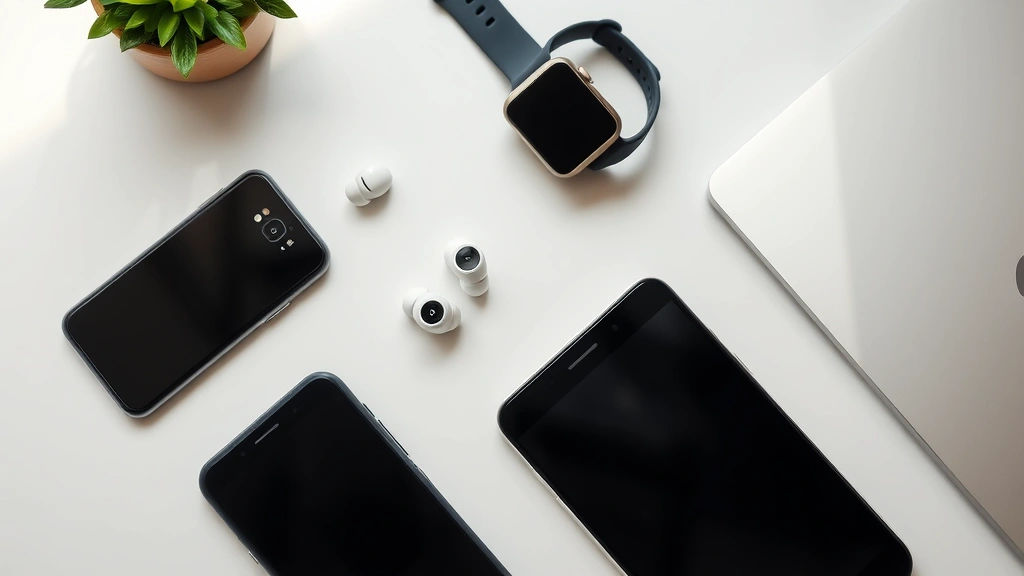
Look, I’ve been covering tech gadgets for years, and I can tell you that the landscape has shifted dramatically. What used to be cutting-edge six months ago feels positively ancient now. The pace of innovation is wild, and if you’re trying to figure out what’s actually worth your money versus what’s just hype, you’re not alone. That’s exactly why I’m here—to cut through the noise and give you the real deal on what matters in the gadget world right now.
The thing about tech is that it’s deeply personal. What’s perfect for a content creator might be terrible for someone who just wants a reliable device for everyday tasks. So I’m going to break down the landscape for you, cover the essentials, and help you understand what you’re actually paying for when you drop cash on the latest and greatest.
The Current State of Tech Innovation
We’re living in this weird moment where the biggest innovations aren’t always the flashiest ones. Sure, The Verge covers the latest flagship releases constantly, but the real game-changers are often happening in areas you might not expect. Battery technology, for instance, has genuinely improved in ways that matter—we’re getting real-world gains in longevity, not just marketing speak about theoretical improvements.
The smartphone market has largely plateaued in terms of raw performance. A flagship from two years ago can still handle basically everything you throw at it. What’s changed is the ecosystem around these devices. Integration between your phone, laptop, smartwatch, and smart home setup is tighter than ever. That’s where the value proposition really lives now.
Processing power isn’t the bottleneck anymore—software optimization and AI integration are where manufacturers are competing. Whether that actually improves your daily experience is another question entirely, and I’m not convinced everyone needs the latest AI features. But they’re definitely coming whether you want them or not.
One area that’s genuinely exciting is the resurgence of portable gaming devices. The Steam Deck proved there’s real demand for handheld gaming that isn’t just mobile games, and now we’re seeing actual competition in that space. If you’re into gaming, this is legitimately the best time to be looking at options.
What’s Actually Worth Upgrading
Here’s the honest truth: most people don’t need to upgrade as often as manufacturers want them to. Your current device probably does 95% of what you actually need. But there are legitimate reasons to consider an upgrade, and I want to separate those from pure hype.
If your battery doesn’t last through a full day anymore, that’s a real problem worth solving. Battery degradation is one of the few things that actually gets worse over time and isn’t fixable through software updates. If you’re constantly hunting for a charger, an upgrade makes sense. But if you’re upgrading because the new model is 0.3mm thinner? That’s marketing getting in your head.
Display technology has genuinely improved—higher refresh rates do actually feel smoother, and better brightness helps in sunlight. These aren’t gimmicks. If you spend hours staring at your screen daily, investing in a better display is one of the smarter upgrades you can make. Wirecutter’s reviews often highlight how display quality impacts real-world usage, and they’re right.
Camera improvements are more nuanced than the megapixel wars would have you believe. Night mode performance, zoom capabilities, and computational photography have all improved meaningfully. But honestly? Unless you’re seriously into photography or content creation, the camera in your current phone is probably fine. The best camera is the one you have with you, and you always have your current phone with you.
Performance upgrades matter if you’re doing intensive tasks—video editing, 3D rendering, or heavy gaming. For scrolling social media and checking email? Your two-year-old device is plenty fast. Don’t let benchmarks fool you into thinking you need the latest processor.
The Hidden Costs Nobody Talks About
When you’re evaluating a new gadget, the purchase price is just the beginning. There are all these hidden costs that add up fast, and manufacturers are banking on you not thinking about them.
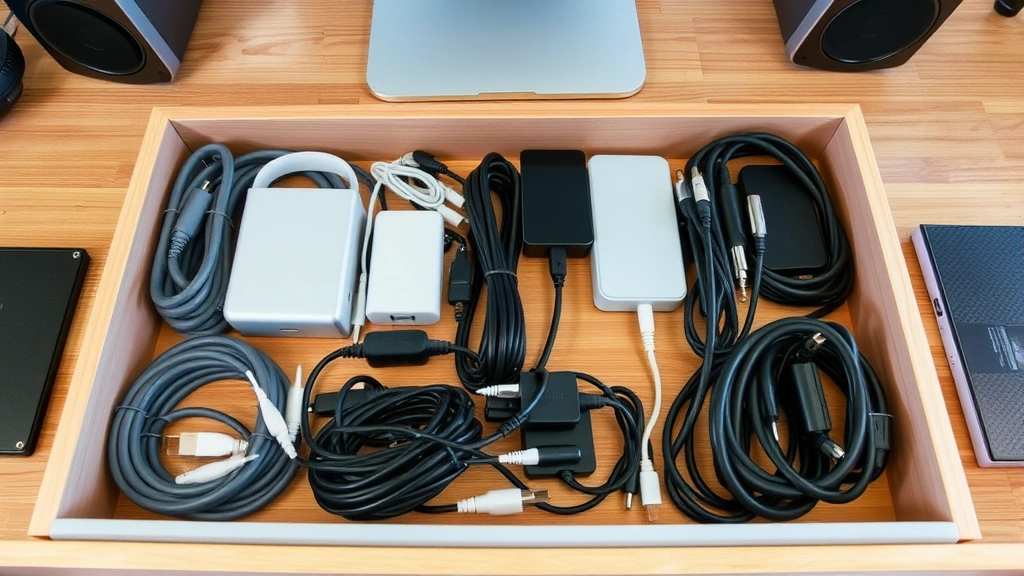
Accessories are the first trap. That new phone or laptop probably doesn’t come with the charger anymore—they’ll happily sell it to you separately. Decent cases, screen protectors, stands, adapters… it all adds up. I’ve seen people spend $300 on a device and then another $150 on accessories to make it actually usable. Budget for that upfront.
Software subscriptions are another sneaky one. You get a new device and suddenly you “need” cloud storage, productivity apps, or creative software. These subscriptions are designed to feel cheap individually—$5 here, $10 there—but they compound fast. Before you know it, you’re paying $50+ monthly just to use your gadgets the way you want.
Repair costs are genuinely brutal these days. Out-of-warranty repairs for modern devices are absurdly expensive. A cracked screen on a flagship phone can cost $200-400. Battery replacement costs $50-150. These aren’t accidents that happen to other people—they happen to everyone eventually. Consider whether you want the extended warranty or AppleCare equivalent. I know it feels like you’re throwing money away, but one accident and you’ll be glad you had it.
Depreciation hits hard too. That $1200 laptop you buy today might be worth $400 in three years. Factor that into your decision. Sometimes buying used or refurbished makes more financial sense, especially if you’re not keeping devices for years.
Future-Proofing Your Purchases
Everyone wants to buy something that’ll last, but “future-proof” is kind of a myth in tech. Things change fast. That said, there are smarter ways to buy that’ll give you longevity.
Software support is huge. Operating system updates and security patches are what keep devices safe and functional. Check how long the manufacturer promises support before you buy. A phone that gets five years of updates is way better than one that gets two, even if the hardware is identical. Ars Technica’s deep dives into manufacturer support policies are worth reading before you commit.
Repairability matters more than people realize. Can you actually get replacement parts? Is the device designed to be serviced, or will you need to replace the entire thing when something breaks? Right-to-repair is becoming a bigger deal, and manufacturers that support it tend to have devices that last longer.
Build quality and materials are worth paying attention to. Yes, aluminum and glass are more premium-feeling than plastic, but they’re also more fragile. A well-designed plastic device might actually last longer than a fancy aluminum one if it handles drops better. Don’t just go by feel—look at durability reviews.
Ecosystem lock-in is real but worth considering. If you’re already invested in one ecosystem (Apple, Google, Microsoft, etc.), devices that play nicely with what you already own have more value. Switching ecosystems is expensive and annoying, so compatibility matters more than raw specs.
Making Smart Buying Decisions
Alright, so you’ve decided you actually do want to upgrade. Here’s how to make sure you’re making a decision you won’t regret in three months.
First, wait for reviews. Not the launch-day marketing reviews—the ones that come after people have actually used the device for a few weeks. CNET’s long-term testing and Tom’s Hardware’s thorough analysis are invaluable here. Early reviews often miss issues that show up once devices are in the wild.
Compare across price tiers. The “best” device isn’t always the most expensive one. Sometimes a mid-range option gives you 85% of the performance at 50% of the cost. Figure out what features actually matter to you and find the cheapest device that has them. That’s the smart buy.
Think about your actual use case. You’re not a professional photographer? You don’t need the pro camera setup. You don’t stream games? You don’t need the highest-end GPU. Match the device to your needs, not to some imaginary ideal version of yourself that you think you should be.
Consider refurbished or previous-generation models. A refurbished flagship from last year is often cheaper, more reliable than launch units, and still plenty powerful for most people. There’s no shame in not buying the absolute latest.
Check return policies. A good return window (30+ days) gives you time to actually use the device and figure out if it works for you. Some retailers are better about this than others, so factor that into where you buy.
Watch for sales, but don’t wait forever. Yes, prices drop, but new devices usually hit their lowest price a few months after launch. If you need something now, don’t wait for a theoretical future sale that might not be better than what’s available today.
FAQ
How often should I upgrade my tech?
Honestly? When something breaks, stops working well, or no longer meets your needs. That could be three years or eight years depending on how you use it and how well you take care of it. Don’t upgrade just because a new model exists.
Is it worth buying the most expensive model?
Usually not. The jump from good to great is often 20-30% of the price difference. That last 10% of performance improvement usually costs way more than it’s worth unless you have a specific professional need.
Should I buy AppleCare or similar protection plans?
If you’re accident-prone or have kids around, absolutely. If you’re careful with your devices and have emergency savings for repairs, you might skip it. Run the math on what repairs would cost versus what you’d pay for the plan over a few years.
What about buying used or refurbished?
It can be great if you buy from a reputable seller. Just check the return policy and get something that includes a warranty. Avoid sketchy third-party sellers where you have no recourse if something goes wrong.
How do I know what specs actually matter?
Read real-world reviews from people using the device for actual tasks. Benchmark numbers mean almost nothing to regular people. What matters is: does it do what you need without frustrating you? That’s it.