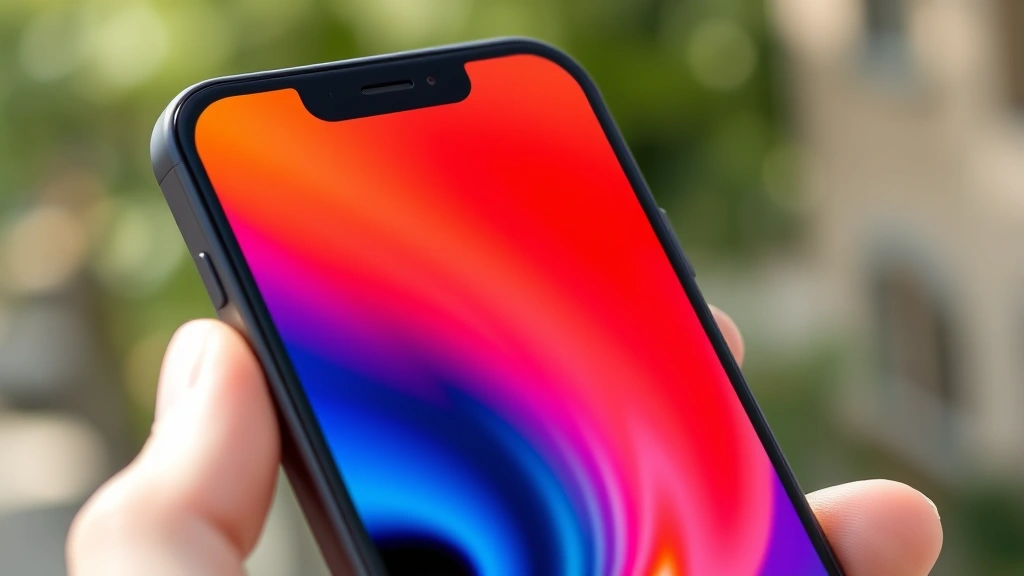
Look, I’ve been covering tech gadgets long enough to know when something genuinely deserves the hype versus when it’s just clever marketing. And right now? There’s a lot of buzz around the latest innovations that are actually changing how we interact with our devices. Whether you’re a casual tech enthusiast or someone who lives and breathes the latest releases, understanding what’s really worth your attention—and your money—is crucial.
The gadget landscape has shifted dramatically over the past couple of years. We’re no longer just chasing incremental improvements; we’re seeing fundamental rethinks of how devices work, how they connect, and how they fit into our daily lives. That’s what makes this moment in tech so exciting, and also why it’s easy to get lost in the noise.
I’m going to walk you through everything you need to know about making smart choices in this space. We’ll cover the essentials, break down what actually matters versus what’s just spec-sheet fluff, and I’ll be completely honest about what works and what doesn’t.
Understanding Core Features That Actually Matter
Here’s the thing about tech specs: manufacturers love to throw numbers at you that sound impressive but often don’t translate to real-world benefit. When you’re evaluating any gadget, you’ve got to separate the wheat from the chaff.
The core features are the ones that directly impact your daily experience. If you’re looking at mobile devices, processing power matters, but only to a point. Most modern processors handle everyday tasks effortlessly. What you should really care about is whether the device does what you need without lag or stuttering. That’s where reading real expert reviews from trusted sources like The Verge becomes invaluable—they actually test these things in realistic scenarios.
Display quality is another feature that absolutely deserves your attention. This is something you’re staring at for hours every single day. A high refresh rate (usually 120Hz or higher these days) makes scrolling buttery smooth, but you’ll notice the difference most when you’re browsing social media or playing games. Color accuracy matters if you’re doing creative work. Brightness matters if you’re using your device outdoors frequently. These aren’t just numbers; they’re things you’ll experience every time you pick up your device.
When exploring different product categories, understanding how technical benchmarking works at sites like AnandTech can help you decode marketing speak. But honestly? The best feature is the one you’ll actually use. I’ve seen people get caught up in features they never touch.
Performance: What the Numbers Really Mean
Let’s talk about performance because this is where people get the most confused. You’ll see specs like “8 cores at 3.2GHz” or “12GB RAM” and your eyes might glaze over. Mine too, honestly, but here’s what you actually need to know.
Processing power has reached a point where most devices are fast enough for most people. The real differentiator now is efficiency. A newer processor that uses less power while delivering the same performance is genuinely better than a chip with higher clock speeds that drains your battery. This is why understanding generational improvements matters more than raw specifications.
RAM is a funny one because more isn’t always better. Sure, 12GB sounds impressive compared to 8GB, but if you’re not running dozens of apps simultaneously, you won’t notice the difference. What you will notice is how smoothly apps launch and switch. That’s partly RAM, but it’s also about the operating system and how efficiently it’s designed. iOS devices, for instance, typically use less RAM than Android devices while delivering similar performance because of how tightly integrated the software is.
Storage speed is something people overlook constantly, but it makes a huge difference. Modern SSDs are so fast that loading times feel instantaneous. If you’re transferring files regularly or working with large media projects, faster storage becomes genuinely important. For casual use? You probably won’t notice a difference between a drive that reads at 3,000 MB/s versus 5,000 MB/s.
The key insight here is that performance specs tell you part of the story, but real-world testing tells you the rest. Check out PCMag’s detailed performance testing methodology to understand how professionals evaluate these devices.
The Connectivity Landscape Today
Connectivity has become absolutely fundamental to how gadgets work, and it’s evolving faster than ever. You’ve got 5G networks rolling out, WiFi 6E becoming standard, Bluetooth 5.3 enabling better range and speed, and a whole ecosystem of wireless protocols.
5G is genuinely transformative for specific use cases. If you’re downloading large files, streaming 4K video, or using your device for real-time collaboration, 5G makes a noticeable difference. But here’s the honest part: if you’re mostly browsing social media and checking email, 5G won’t revolutionize your experience. The network infrastructure still matters—5G is only as good as the coverage where you are.
WiFi 6E is the current sweet spot for home connectivity. It gives you faster speeds, more stable connections, and better performance when you’ve got multiple devices connected. If your home is still running WiFi 5, upgrading your router will make more difference than upgrading your device. That’s the kind of practical insight that actually saves you money.
Bluetooth has quietly become incredibly capable. Modern Bluetooth devices can maintain stable connections at 100+ meters and deliver audio quality that rivals wired connections. If you’re considering wireless audio, understanding how Bluetooth codecs affect audio quality at Sound on Sound helps you make better decisions.
NFC, UWB, and other shorter-range protocols are enabling cooler features like spatial awareness and seamless device handoff. These aren’t flashy, but they make your tech experience smoother.
Battery Life and Real-World Usage
Battery specs are some of the most misleading numbers in tech. A 5,000 mAh battery sounds impressive until you realize that mAh (milliamp-hours) is meaningless without knowing how efficiently the device uses that power.
Real battery life depends on screen brightness, usage patterns, how many apps are running in the background, and whether you’re using power-hungry features like GPS or 5G. This is why testing matters. When a company claims “up to 15 hours” of battery life, that’s usually under ideal conditions. Real-world usage is often 20-30% shorter.
Here’s what actually matters: Does the device last a full day under your typical usage? Can you charge it quickly when you need to? Is the battery replaceable, or are you stuck with degraded performance after a couple of years?
Fast charging has become genuinely useful. Going from 0 to 80% in 30 minutes is practical for people with busy lives. Wireless charging is convenient but slower—it’s a quality-of-life feature rather than a performance necessity. Reverse wireless charging (letting your device charge other devices) is cool but rarely essential.
Battery health degradation is something manufacturers don’t love talking about. Most lithium batteries retain about 80% of their capacity after 500 charge cycles. If you’re someone who charges their device every day and keeps it for three years, you’re looking at noticeably reduced battery life by year two. Some devices handle this better than others through intelligent charging algorithms.
Build Quality and Durability
This is where you really see the difference between devices at different price points. Build quality isn’t just about how premium something feels; it’s about longevity and how well it holds up to actual use.
Materials matter. Aluminum frames are strong and lightweight. Stainless steel looks premium but scratches easily. Gorilla Glass is excellent for scratch resistance but can shatter if dropped. Ceramic shields are newer and genuinely more durable. The best material is the one that matches how you actually use your device. If you’re constantly putting your phone in a backpack with keys, you need durability over aesthetics.
Water resistance ratings (IP67, IPX8, etc.) tell you something useful, but not everything. A device rated IP67 can handle submersion to 1 meter for 30 minutes, but that doesn’t mean you should go swimming with it regularly. Salt water and chlorine are harder on devices than fresh water. Real-world durability testing at GSMArena’s durability tests gives you practical insights.
Repairability is increasingly important. Can you replace the battery? Are replacement parts available? Does the manufacturer support repairs, or do you have to go through third-party services? Right to repair is becoming a bigger deal, and for good reason.
Finding Your Value Sweet Spot
The most expensive gadget isn’t always the best gadget for you. Value is personal—it’s about what you get relative to what you spend.
Budget devices have improved dramatically. You can get a genuinely capable smartphone, tablet, or laptop for a fraction of flagship prices. The compromises are usually in build materials, processing power (though still plenty fast enough), and camera quality. If you don’t need those things, saving hundreds of dollars is obviously the smart move.
Mid-range devices often represent the best value. You’re getting 85% of the performance of flagship devices at 60% of the price. This is where I’d start looking if you’re trying to find the sweet spot between capability and cost.
Flagship devices justify their premium through cutting-edge features, best-in-class materials, and often superior support and longevity. If you’re someone who keeps devices for 4-5 years, investing in a flagship might actually be cheaper per year than constantly upgrading budget devices.
Timing matters too. Waiting for the next generation isn’t always worth it—sometimes the current generation gets a price cut that makes it an incredible value. But if a new version is launching in two weeks, waiting usually makes sense.
Consider the total ecosystem. If you’re already invested in a platform—whether that’s Apple, Google, Samsung, or Microsoft—staying within that ecosystem often makes sense. Switching costs real money and real time learning new interfaces.
FAQ
How do I know if a gadget is actually worth the price?
Look at what you’ll actually use versus what’s just impressive on paper. Read real reviews from people who’ve used the device for weeks or months. Check return policies so you can send it back if it doesn’t meet your needs. Compare price-to-performance across similar devices. If three different sources say a gadget is overpriced for what it does, they’re probably right.
Should I always buy the latest generation?
Not necessarily. Older generations often get price cuts and are still completely capable. The jump from last year to this year is usually incremental unless you’re specifically waiting for a feature you need. That said, if you’re buying a device you’ll keep for several years, the latest generation usually makes sense because you’ll get longer support and software updates.
What specs actually matter most?
Processor and RAM for performance, screen quality for daily experience, battery life for practical usage, and build quality for longevity. Everything else is secondary. Start with these fundamentals and then look at specific features that matter for your use case.
Is it worth paying extra for premium brands?
Sometimes. Premium brands usually offer better support, longer software updates, and higher resale value. But there are excellent devices from less-known manufacturers at better prices. Don’t pay for the brand name alone, but do factor in support and longevity when comparing prices.
How do I avoid buyer’s remorse?
Take your time. Read multiple reviews. Check the return policy. Use the device in a store if possible. Ask yourself honestly whether you’ll actually use the features you’re paying for. Sleep on it for a day—if you’re not excited about it the next morning, it’s probably not the right choice.