
Look, if you’re shopping for a new gadget right now, you’ve probably noticed that the market’s absolutely flooded with options. Whether you’re hunting for your next smartphone, laptop, or wearable, the sheer number of choices can feel overwhelming. But here’s the thing—not all gadgets are created equal, and knowing what actually matters can save you hundreds of dollars and a ton of buyer’s remorse.
I’ve spent way too much time digging into specs, reading reviews, and honestly, just playing with cool tech stuff. And what I’ve learned is that the best gadgets aren’t always the ones with the most features or the highest price tag. They’re the ones that solve real problems, feel good to use, and actually fit into your life. So let’s talk about what makes a gadget worth your money, how to actually figure out what you need, and which categories are worth paying attention to right now.
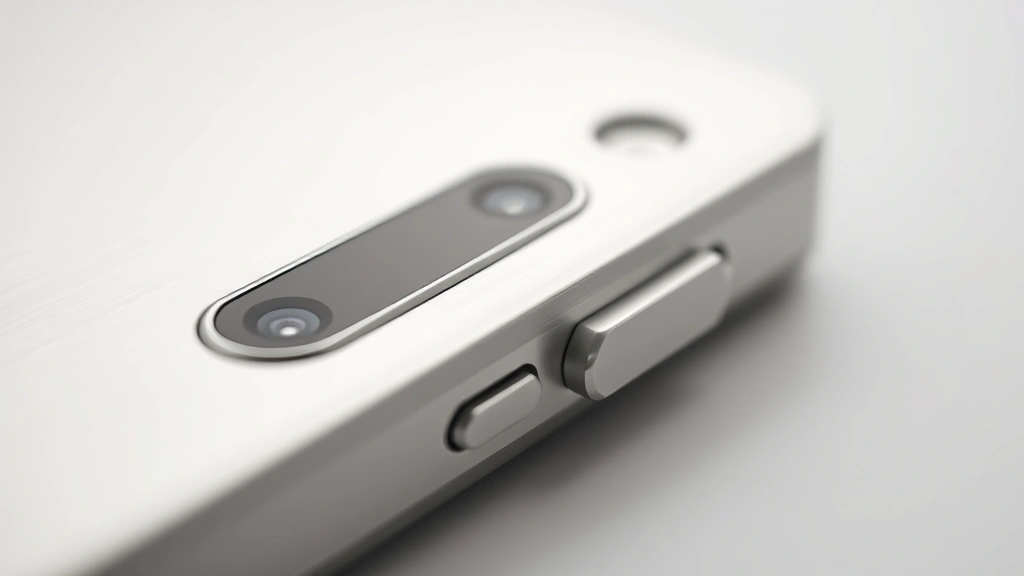
What Makes a Gadget Actually Worth Buying
Here’s something nobody tells you: most gadgets fail because they’re solving problems that don’t actually need solving. A gadget is worth your money when it does three things really well. First, it has to do what it claims to do, reliably and without drama. Second, it needs to make your life meaningfully better—not just fancier or more complicated. And third, it should last long enough to justify the investment.
The best gadgets I’ve ever owned share a common trait: they fade into the background. They work so well that you forget you’re using them. Think about your smartphone—you probably don’t think about the fact that it’s a tiny computer in your pocket anymore, right? That’s because it just works. That’s the bar we should be setting for every gadget purchase.
Build quality matters way more than people think. A gadget with premium materials and solid construction will outlast something cheap and plasticky every single time. But premium doesn’t always mean expensive—it means thoughtful design and manufacturing that respects your money. When you’re evaluating a gadget, pay attention to how it feels in your hands, how the buttons click, whether the screen feels durable. These details tell you everything about whether the manufacturer actually cares about the product.

Understanding Your Real Needs vs. Marketing Hype
This is where most people get tripped up. Marketing is incredibly effective at convincing you that you need things you actually don’t. A company will throw a hundred features at a product and tell you they’re all essential, when really, maybe three of them matter for your actual life.
Before you buy anything, ask yourself some hard questions. What problem am I actually trying to solve? How do I currently solve this problem, and what’s frustrating about it? Will this gadget genuinely fix that frustration, or am I just buying the idea of it? Would I use this feature, or am I just paying for it to have it?
When you’re looking at the best smartphones available, for example, you don’t need the camera with 200 megapixels. You need a camera that takes photos you love in the lighting conditions you actually shoot in. If you’re mostly taking photos indoors or in mixed lighting, a phone with great computational photography and a solid sensor is going to beat a phone with a massive megapixel count every single time. The specs sheet isn’t telling you what matters—real-world performance is.
The same goes for choosing a laptop. If you’re writing documents and browsing the web, you don’t need a workstation with 32GB of RAM and a dedicated GPU. You need something that boots quickly, doesn’t lag when you have fifteen browser tabs open, and lasts all day on battery. Knowing this upfront saves you from overspending on features you’ll never touch.
The Best Tech Gadgets to Consider Right Now
Let’s talk about what’s actually worth your attention in the current gadget landscape. The smartphone market is honestly kind of boring right now—most flagship phones are genuinely good, and the differences between last year’s model and this year’s are often marginal. What matters more is finding the one that fits your budget and your actual needs.
Tablets have become genuinely useful again, especially if you work with creative software or just want something between a phone and a laptop for media consumption. If you’re considering picking up a tablet, think about whether you’ll actually use it for more than Netflix. Some people swear by them; others end up with expensive paperweights.
Wearables are getting better, but they’re still in that weird space where they’re genuinely helpful for some people and pointless for others. A smartwatch that just tells you notifications and time? You probably don’t need it. A smartwatch that actually helps you track your fitness, manages your stress, and integrates with your health data? That might be worth it. The key is being honest about whether you’ll actually use the features.
Headphones and earbuds are one category where I think spending a bit more actually makes sense. You use them every day, they’re in your ears, and good audio quality genuinely improves your listening experience. Cheap earbuds often sound tinny and uncomfortable. Mid-range options are where you get the best value—you’re not paying for the brand name as much, and the sound quality is legitimately good.
Portable batteries and charging accessories are unsexy but genuinely useful. If you’re commuting or traveling, a good portable charger can be a lifesaver. The key is getting something with enough capacity for your actual usage and reliable build quality so it doesn’t die on you.
Smart home gadgets are hit or miss. A smart speaker that plays music and gives you the weather? That’s genuinely useful. Smart lights? Also legitimately good if you actually use them. Smart devices that require constant fiddling and don’t work reliably? Skip them. The best smart home setup is the one you actually use, not the one that looks impressive when friends visit.
How to Spot Quality Before You Buy
Reading reviews is important, but you’ve got to know how to filter through the noise. The Verge and Ars Technica do solid, detailed tech reviews that actually dig into real-world performance. Wirecutter is great for finding value—they’re specifically focused on the best option at every price point.
When you’re reading reviews, skip the opening hype and jump straight to the “cons” section. That’s where reviewers tell you what actually matters. If every review mentions the same issues, those are real problems. If reviews are split, it probably means it depends on your use case.
Look at user reviews too, but filter out the extremes. The person who gave it one star because it arrived in a dented box isn’t giving you useful information. The person who gave it five stars because they think the brand is cool isn’t either. Look for detailed reviews from people who actually used the product for a while.
Check the warranty and return policy. A company confident in their product will offer a solid warranty. If they’re offering thirty days to return it, they’re not confident. If they’re offering a year of warranty and a reasonable return window, that’s a good sign.
Watch unboxing and hands-on videos, but from reviewers you trust. You want to see how the gadget feels, how the interface works, whether it’s actually intuitive. Reading about it isn’t the same as watching someone actually use it.
The Budget vs. Premium Debate
Here’s my honest take: budget and premium gadgets are solving different problems. A budget gadget is designed to get the job done at the lowest price. A premium gadget is designed to be the best at what it does, cost be damned. Neither is inherently better—it depends on what matters to you.
If you’re buying something you’ll use for five years and use every single day, premium often makes sense. The cost per day ends up being reasonable, and you’re not dealing with frustrations. If you’re buying something you might use occasionally or you’re not sure you’ll like, budget makes more sense. You’re not risking much money, and you can always upgrade later if you love it.
The trick is not buying budget versions of things that matter. A budget phone might be fine. A budget charger? That’s actually risky—cheap chargers can damage your devices or catch fire. A budget portable battery? Also risky. Spend a bit more on the things that touch your expensive devices or go near your body. Save money on the things that don’t matter as much.
Mid-range is often the sweet spot. You’re getting genuinely good quality and performance without paying for the brand premium. A mid-range phone takes excellent photos. A mid-range laptop handles real work without lag. A mid-range tablet is perfectly usable. Most people would be happier with a solid mid-range option than overspending on premium or dealing with the frustrations of budget.
Avoiding Common Gadget Buyer Mistakes
The biggest mistake people make is buying gadgets based on specs instead of real-world performance. A phone with a bigger number on the spec sheet isn’t always better. More megapixels doesn’t mean better photos. Faster processor doesn’t mean the phone feels faster. Bigger battery doesn’t always mean longer battery life. Look at how reviewers actually rate real-world performance, not just the numbers on paper.
The second mistake is buying gadgets because they’re new. Just because something came out this month doesn’t mean it’s better than last month’s version. Usually, it’s almost identical. Wait for reviews. Let early adopters deal with potential issues. By the time you buy, the bugs are usually fixed.
The third mistake is not thinking about the ecosystem. If you’re buying a smartwatch, it needs to work with your phone. If you’re buying smart home stuff, it needs to work with your other smart home devices. Buying random gadgets that don’t talk to each other creates frustration. Before you buy, check compatibility.
Don’t buy gadgets based on what influencers use. They’re often getting paid, and their needs are different from yours. Buy based on what solves your actual problem.
And please, don’t buy the extended warranty. For most gadgets, it’s a waste of money. If something’s going to break, it usually breaks in the first year when it’s covered by the standard warranty. If it lasts past that, it’s probably going to last for years.
Where to Actually Buy Your Gear
The big retailers like Amazon and Best Buy are convenient and usually have good return policies. That’s worth something. Manufacturer websites sometimes have deals and usually have the best selection, but returns can be annoying. Specialty retailers often have better customer service and more knowledgeable staff, though they’re sometimes pricier.
Check reviews on CNET and Tom’s Hardware before you buy from anywhere. These sites have detailed breakdowns of what’s actually good. Look for sales, but don’t let a discount convince you to buy something you didn’t want in the first place. A 20 percent discount on something you didn’t need is still a waste of money.
If you’re buying something expensive, sleep on it. If you still want it after a few days, it’s probably a good purchase. If you’ve forgotten about it, it probably wasn’t something you needed.
FAQ
How often should I upgrade my gadgets?
Keep using gadgets until they stop doing what you need them to do or they break. Upgrading every year is wasteful and expensive. Most quality gadgets are good for three to five years of heavy use. When performance actually bothers you or features you need aren’t available anymore, that’s when you upgrade.
Should I buy the newest model or last year’s version?
Last year’s version is usually the better value. The performance improvements are usually marginal, but the price drop is significant. The only exception is if you specifically need a new feature that wasn’t available before. Otherwise, save your money.
What’s the best way to decide between brands?
Look at warranty support, how long they support software updates, and what reviewers say about reliability. A company that supports their products for years is better than one that abandons them after a year. Check reviews specifically about customer service—some companies are amazing, others are terrible.
Is it worth buying refurbished gadgets?
Yes, if they’re from a reputable seller and come with a warranty. Refurbished gadgets are often returned items that had nothing wrong with them, or minor issues that were fixed. You’re getting the same product for less money. Just make sure there’s a solid return policy in case something’s wrong.
How do I know if a gadget will actually work with my other devices?
Check the compatibility section on the product page. If you’re unsure, contact customer support before you buy. It’s better to ask a dumb question than to buy something that doesn’t work with your setup.