The Ultimate Guide to Finding Your Perfect Gaming Headset in 2024
Look, I get it. You’re tired of sifting through endless lists of gaming headsets that all promise to be “the best” while secretly sounding like tin cans with a wireless connection. The market’s absolutely flooded right now, and it’s genuinely hard to know what’s worth your money and what’s just hype wrapped in RGB lighting.
That’s exactly why I decided to dig deep into what actually makes a gaming headset worth buying in 2024. I’ve spent way too many hours listening to headsets, reading specs, and honestly, just geeking out about audio quality. Whether you’re a competitive esports player who needs pinpoint directional audio, a casual gamer who just wants something comfortable for marathon sessions, or someone looking to upgrade their streaming setup, I’ve got you covered.
What Actually Makes a Gaming Headset Great?
Here’s the thing that separates a genuinely good gaming headset from the mediocre ones: it’s not just about having the flashiest design or the most features. A great gaming headset needs to nail several fundamentals simultaneously, and honestly, most headsets fail at one or more of these.
First, there’s audio fidelity. You need clear mids and highs so you can hear footsteps and gunfire cues without everything sounding muddy. Bass shouldn’t overwhelm the mix—it’s there to add impact, not to drown out everything else. When you’re playing competitive shooters, directional audio cues are literally your survival mechanism.
Then there’s comfort. I cannot stress this enough. A headset that sounds incredible but makes your ears feel like they’re in a vice after two hours is useless. You’re wearing this thing for extended periods, sometimes four, six, eight hours straight during gaming marathons or work sessions. The clamping force, padding quality, and headband design all matter tremendously.
Build quality is your third pillar. Gaming headsets take a beating. They get yanked off, tossed on desks, twisted in weird ways. You want materials that’ll survive that punishment without the cable becoming a fire hazard or the hinges snapping off after three months.
Finally, there’s the microphone. If you’re using this for multiplayer gaming, Discord calls, or streaming, a bad mic makes you sound like you’re calling from inside a tin can underwater. Your teammates need to understand you clearly, and you need to hear them without excessive background noise.
Audio Quality and Soundstage
Let’s talk about something that gets oversold constantly: surround sound. Gaming headsets love to advertise 7.1 surround or 5.1 surround, and while it sounds impressive, here’s what’s actually happening. You’ve got two ears and two drivers in a headset. True surround sound is literally impossible with headphones. What manufacturers do instead is simulate surround through virtual surround processing, and honestly? The quality varies wildly.
What actually matters more is soundstage—that sense of space and dimension in the audio. A good soundstage makes it feel like sounds are coming from specific locations around you rather than directly inside your head. This is where driver quality, frequency response, and the physical design of the headset all come into play.
When you’re evaluating audio quality, listen for:
- Clarity in the midrange (where most game audio lives)
- Defined bass that doesn’t muddy everything else
- Treble that doesn’t cause ear fatigue during long sessions
- Consistent sound across different games and content
A lot of gaming headsets pump up the bass and treble to sound “exciting” in a store, but that’s exhausting during actual gameplay. You want something that’s balanced and lets you hear what’s actually important. Check out The Verge’s tech reviews for some solid audio benchmarks on current models.
Comfort and Fit Matters More Than You Think
I’m genuinely surprised how many people skip past the comfort factor and just go with whatever looks cool. Then they’re stuck with a headset that gives them a headache after 90 minutes. That’s not a gaming headset—that’s a mistake you paid $150 for.
Here’s what to look for:
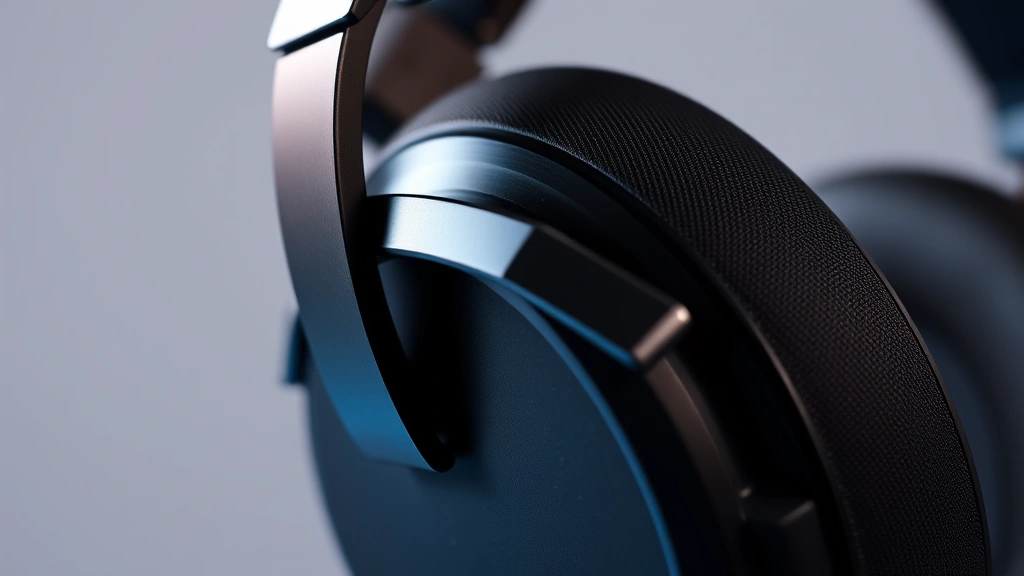
Headband design is crucial. Some use memory foam, some use adjustable tension, some use spring-loaded mechanisms. The best ones distribute pressure evenly across your head rather than concentrating it at two points. If you’ve got a bigger or smaller head, this becomes even more critical.
Ear cup padding directly impacts how long you can wear these comfortably. Memory foam is great, but it degrades over time. Leather gets hot and sweaty. Mesh breathes better but might not feel as plush initially. You want something that’s soft but doesn’t collapse after a year of use.
Clamping force is that pressure you feel when you put the headset on. Too tight, and your ears hurt. Too loose, and they fall off your head when you move. The sweet spot is firm enough to stay put but not so tight you feel like you’re in a vice. Most good headsets let you adjust this by bending the headband slightly.
One thing I always recommend: if possible, try on the headset before buying. I know that’s not always feasible online, but if you’re spending serious money, it’s worth a trip to a local retailer. Your comfort during gaming is non-negotiable.
Also consider whether you wear glasses. If you do, certain headset designs will press the frames painfully into your head. Look for headsets with slightly wider ear cups or designs that accommodate glasses better. Trust me, this is a real problem that doesn’t get talked about enough.
Wireless vs. Wired: The Real Trade-offs
This is where things get interesting because there’s genuinely no “better” choice—just trade-offs depending on your setup and priorities.
Wired headsets have some real advantages. Zero latency, which matters if you’re playing competitive shooters. No battery to charge. No connection dropping out at critical moments. They’re generally cheaper for the same audio quality. The downside? You’re tethered to your device, cables get tangled, and you can’t move around freely.
Wireless headsets have gotten genuinely good in the last couple years. Modern 2.4GHz wireless connections are incredibly stable (way better than Bluetooth for gaming), and latency is basically imperceptible for most games. The freedom of movement is amazing. But you’re dealing with battery anxiety, charging cables, and the possibility of interference.
Here’s my honest take: if you’re a hardcore competitive player, wired is still the safer choice. If you’re a casual gamer or streamer who values comfort and freedom of movement, wireless is worth the trade-offs. And if you want the best of both worlds, some premium headsets let you use both modes.
Battery life varies wildly. Some wireless headsets last 20 hours, some last five. Check the actual runtime in reviews—don’t just trust the marketing claims. Nobody wants their headset dying mid-ranked match because the manufacturer was being generous with their battery estimates.
Microphone Quality for Multiplayer
Your teammates are going to hear you through that mic way more than you hear yourself. A bad mic makes you sound awful no matter how good your headphones are, and it’s genuinely one of the most overlooked aspects of headset buying.
What makes a gaming mic good? Noise cancellation is huge. You don’t want your teammates hearing your keyboard clacking, your mouse clicking, or your entire room’s ambient noise. A good mic should isolate your voice while rejecting background noise. This is where you see the biggest quality differences between budget and premium headsets.
Microphone positioning matters too. Some mics are on boom arms that you can position right near your mouth—these tend to sound better because they’re closer to your voice source. Some are built into the headset itself, and you’re stuck with whatever angle they’re at.
Detachability is something to consider. If the mic boom breaks, you want to be able to replace just that part rather than the whole headset. Some premium models let you do this, others don’t.
Pro tip: if you’re really serious about mic quality, consider getting a separate USB mic for streaming or content creation. Even a mid-range standalone mic will outperform any integrated headset mic. But for regular multiplayer gaming, the mics in quality headsets are totally serviceable these days.
Check CNET’s headset reviews for specific microphone testing—they actually measure noise cancellation performance rather than just saying “it’s good.”
Budget Breakdown: What to Spend
Let’s be real about pricing because there’s no point dropping $300 on a headset if a $100 model does 90% of what you need.
$50-80 range: You’ll find some surprisingly decent headsets here. Audio quality is acceptable, comfort is okay, build might be a bit plasticky. These work fine for casual gaming, but don’t expect premium audio or incredible durability. Brands like HyperX have some solid budget options.
$80-150 range: This is where you start getting genuinely good headsets. Audio quality noticeably improves, comfort gets better, build materials feel more premium. You’re getting better drivers, more thoughtful design, and microphones that don’t sound terrible. Most people should find something perfect in this range.
$150-250 range: Premium territory. You’re paying for exceptional audio quality, top-tier comfort, excellent build, and sometimes features like wireless with great battery life. These are headsets that’ll last years with proper care. This is where enthusiasts and professionals tend to land.
$250+: You’re getting diminishing returns here. The audio improvement is marginal, and you’re mostly paying for brand prestige and specialized features. Some of these are genuinely excellent, but honestly, most gamers don’t need to spend this much.
My recommendation? Find the best headset you can in the $100-150 range. That sweet spot gives you excellent value without overpaying for features you might not use.
Current Top Contenders
Rather than just listing headsets, let me walk you through some genuinely solid options and why they stand out.
The category leaders right now are balancing wireless reliability, audio quality, comfort, and durability in ways that previous generations couldn’t. Look at manufacturer specification pages like SteelSeries’s technical specs to see actual driver sizes, frequency response, and connection details rather than just marketing speak.
When evaluating current models, pay attention to user reviews from actual gamers who’ve used them for months. A five-star review from day one doesn’t mean much—you want to know how they’re holding up after six months of regular use. Check Tom’s Hardware’s gaming peripherals reviews for long-term testing data.
One thing I’ve noticed is that the best headsets often come from companies that specialize in gaming audio rather than trying to do everything. They understand what gamers actually need, and they’re not trying to appeal to audiophiles or casual music listeners at the same time.
Consider your specific game genres too. Competitive shooters benefit from headsets with excellent directional audio and clear mids. RPGs and story-driven games might benefit more from headsets with richer soundstage and better bass response. There’s some overlap, but your use case should influence your choice.
Don’t sleep on testing return policies. If a headset doesn’t work out after a week of use, you want to be able to send it back without jumping through hoops. Some retailers and manufacturers are way better about this than others.
Also, think about your platform. Are you gaming on PC, console, mobile, or a mix? Some headsets work better across multiple platforms than others. Wireless headsets with USB dongles might not work on your phone, while Bluetooth-only headsets might not work on your console. Check compatibility before you buy.
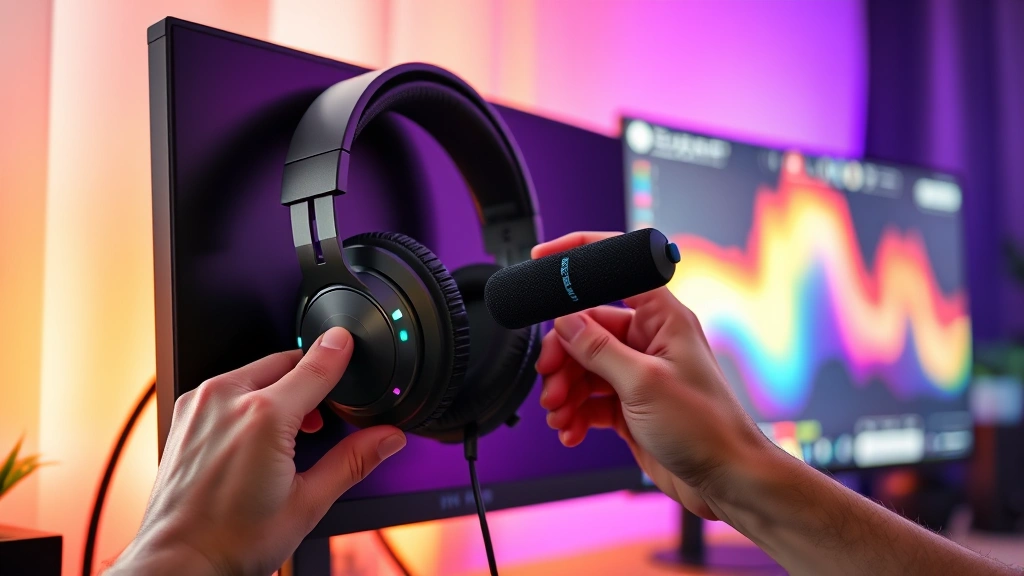
One underrated consideration: software and customization. Some gaming headsets come with companion apps that let you adjust EQ, test surround sound processing, update firmware, and customize RGB lighting. Others have zero software. If you like tweaking your audio experience, this matters. If you just want to plug in and play, it’s not important.
FAQ
Do I really need a gaming headset or will regular headphones work?
Regular headphones can absolutely work for gaming, and some high-quality audiophile headphones actually sound better than gaming headsets. The advantage of gaming headsets is they’re usually designed with game audio in mind, they often have better microphones for multiplayer, and they’re built to handle the specific demands of gaming (lots of movement, extended wear time). But if you’ve got great headphones already, they’ll work fine. You might just need a separate microphone for multiplayer.
What’s the difference between 2.4GHz wireless and Bluetooth for gaming?
2.4GHz wireless uses a USB dongle and provides a dedicated connection with very low latency and stable range. Bluetooth is more universal but typically has slightly higher latency and can be more prone to interference. For competitive gaming, 2.4GHz is generally better, but modern Bluetooth 5.0+ has gotten pretty good. Most gaming headsets use 2.4GHz specifically because of these advantages.
How long do gaming headsets usually last?
Quality varies massively, but a well-made gaming headset should last 2-4 years with regular use. The most common failure points are the headband cracking, the cable developing issues, or the padding degrading. Premium headsets with replaceable parts can last even longer. Budget headsets might start having problems after a year. Proper care extends lifespan significantly—don’t yank them off violently, store them carefully, and keep them dry.
Should I get surround sound in a gaming headset?
Virtual surround sound can be useful for gaming, but it’s not essential. Some people love it, others find it distracting or inaccurate. The good news? You can usually enable or disable surround processing in software, so you can try it both ways. I’d say it’s a nice-to-have feature but not something to base your entire purchase decision on.
Can I use a gaming headset for music and movies?
Absolutely. A good gaming headset will work fine for music and movies. The audio quality might not be optimized for those uses (gaming headsets prioritize clarity and directional audio over pure fidelity), but they’ll still sound good. If you want something that’s equally good for gaming, music, and movies, you might want to look at more neutral-tuned headsets rather than gaming-specific ones.
What’s the best way to test a headset before buying?
If possible, try it in person at a retailer. Pay attention to comfort first—put it on, wear it for a few minutes, move around. Listen to a variety of content if they’ll let you. If buying online, check the return policy and be prepared to send it back if it doesn’t work for you. Read reviews from people who’ve used them for weeks, not just hours. Watch video reviews where you can actually hear the headset’s audio quality.
Do I need a sound card or amplifier for a gaming headset?
Most modern gaming headsets work fine plugged directly into your PC, console, or phone. Some audiophiles swear by external DACs or amplifiers, but it’s not necessary for gaming. Your motherboard’s audio output is usually sufficient. If you’re getting into serious audio tweaking, that’s a different conversation, but for gaming? Direct connection is fine.