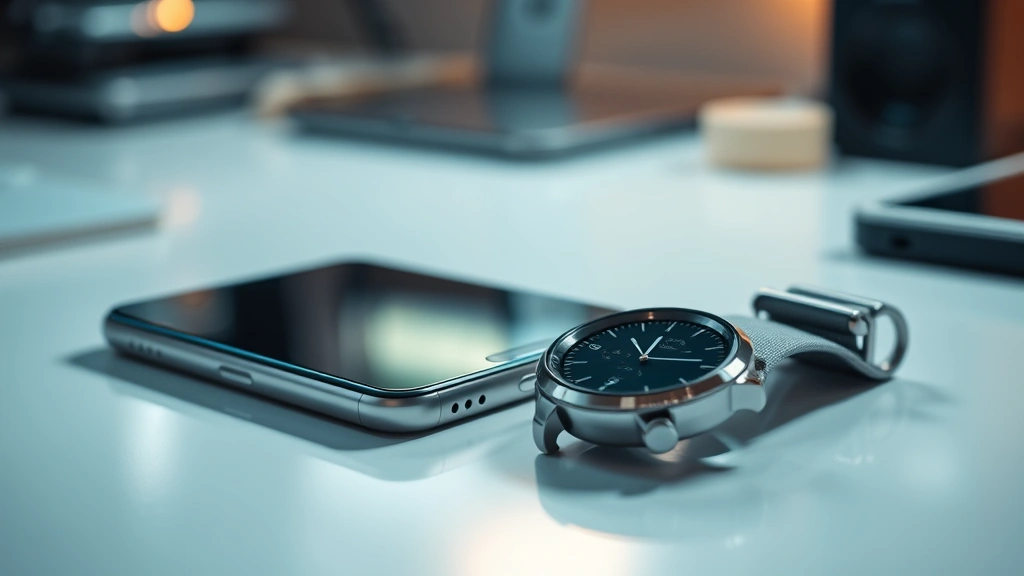
Look, I’ll be straight with you: the tech world moves fast, and keeping up with the latest gadgets can feel like a full-time job. But that’s exactly why I’m here. Whether you’re hunting for your next smartphone upgrade, looking to optimize your home setup, or just curious about what’s actually worth the hype, I’ve got the breakdown that cuts through the noise.
The gadget landscape right now is genuinely exciting. We’re seeing innovation in places you wouldn’t expect—from AI-powered features that actually work to battery tech that doesn’t make you want to scream into the void. But here’s the thing: not everything new is worth buying, and sometimes the older stuff still holds its own. That’s what we’re diving into today.
I’ve spent countless hours testing, comparing, and yes, occasionally returning gadgets that looked amazing on paper but felt disappointing in real life. This guide pulls from that experience to give you the real talk about what’s worth your money and what you should absolutely skip.
Flagship Phones That Actually Deliver
Okay, let’s talk about flagship phones because this is where things get spicy. The current generation of premium smartphones is legitimately impressive, but—and this is important—flagship doesn’t always mean best for everyone. You need to think about what you’re actually using your phone for.
The major players have finally nailed the basics: cameras that work in basically any light condition, processors that handle anything you throw at them, and screens that look genuinely beautiful. But the differences between the top-tier options are getting smaller, which means you’re often paying premium prices for incremental improvements.
What’s changed dramatically is the zoom situation. We’re talking 3x, 5x, even 10x optical zoom on phones that fit in your pocket. The computational photography backing this up is genuinely mind-blowing. I’ve taken photos with my phone that rival what I used to need a dedicated camera for. Battery life has also stopped being the disaster it was five years ago—most flagships now push through a full day of heavy use without sweating.
One thing to watch out for: not all flagships are created equal when it comes to software support. Some manufacturers commit to five years of updates, others… less so. That matters more than people realize, especially if you’re dropping over a thousand dollars on a device.
Check out The Verge’s phone reviews for detailed comparisons, and definitely visit the GSMArena specs database to compare specs side-by-side before you commit.
The Audio Revolution Nobody Saw Coming
Here’s something that genuinely surprised me: audio tech has become genuinely interesting again. We’re not just talking about wireless earbuds that work—we’re talking about wireless earbuds that sound great while doing it.
The game-changer has been improved codecs and better noise cancellation algorithms. We’ve moved past the era where wireless meant you were sacrificing sound quality. Some of the best-sounding earbuds I’ve tested are wireless, and they’re absolutely crushing it against wired options that cost twice as much.
Spatial audio is the new frontier, and while it’s not revolutionary, it does add something tangible to the experience when you’re watching movies or playing games. It’s not mind-blowing, but it’s a nice touch that makes content feel more immersive.
The real money-maker right now is the sweet spot between $150-$300. You’ll find earbuds in that range with active noise cancellation, excellent battery life, and sound quality that’ll make you wonder why you ever spent more. Below $100, you’re getting some genuinely solid options too—the floor has risen significantly.
One area where wireless still struggles: latency in gaming scenarios. If you’re serious about competitive gaming, you might still want to consider wired options or dedicated gaming headsets. For everything else? Wireless wins on convenience, and the quality gap has basically evaporated.
The RTINGS headphone database is an absolute goldmine for detailed audio breakdowns if you want to get nerdy about frequency response curves and soundstage measurements.
Why the Laptop Landscape Changed
The laptop world has undergone a genuine transformation in the last couple of years, and it’s one of the most exciting shifts in consumer tech we’ve seen. The big story? Performance-per-watt has gotten absolutely ridiculous.
Apple’s chips started this revolution, and now Intel and AMD are playing serious catch-up with their own efficiency-focused processors. What this means in practice: laptops that run cool, stay quiet, and still handle demanding work without breaking a sweat. Battery life on modern laptops has gone from “maybe 6-8 hours if you’re lucky” to “I’m actually forgetting to charge this thing because it lasts all day.”
The form factor game has also elevated. We’re seeing 14-inch laptops that are legitimately portable, with screens that don’t make your eyes hurt, and keyboards that are finally—finally—comfortable to type on for extended periods. The “thin at any cost” era seems to be dying, and good riddance.
RAM and storage have gotten cheaper, which means you’re getting more for your money. 16GB is becoming the baseline for serious work, and 512GB storage is standard even on mid-range machines. That’s huge compared to just a few years ago.
One thing to be careful about: some manufacturers are pushing OLED screens on laptops, and while they look stunning, the battery hit is real. You might be trading some of that battery life advantage for visual pizzazz. Make sure you actually care about that before you upgrade.
For detailed laptop benchmarking and reviews, check out Tom’s Hardware and AnandTech for technical deep dives.

Smart Home Essentials Worth Installing
Smart home tech has finally reached a point where it’s actually useful instead of being a novelty that you set up once and then ignore. The key is being selective—not every smart gadget is worth the shelf space.
Smart speakers are genuinely useful now, especially if you’re already in one ecosystem (whether that’s Google, Amazon, or Apple). Voice control for basic tasks—turning on lights, checking weather, playing music—is legitimately convenient. But the hype around AI assistants making your life magical? Dial back your expectations. They’re tools, not magic.
Smart lighting is where things get interesting. Not the gimmicky color-changing stuff (though that’s fun), but the practical automation. Setting up schedules so lights gradually brighten in the morning, or turn on automatically when you get home? That actually changes your quality of life in small ways that add up.
Thermostats are another solid investment. A smart thermostat can genuinely reduce your energy bills by learning your patterns and adjusting automatically. That’s not just convenience—that’s money in your pocket.
The stuff to skip: smart refrigerators, smart toothbrushes, and any gadget that’s trying to be smart but doesn’t really benefit from being connected. You’re just adding complexity and potential failure points to devices that were working fine.
One crucial consideration: privacy and data security. Not all smart home gadgets are equal when it comes to how they handle your data. Look for devices that offer local control options and don’t require constant internet connectivity for basic functions.
Wearables: Separating Hype from Reality
Smartwatches and fitness trackers have become genuinely useful, but they’re also a category where it’s really easy to spend money on features you’ll never use.
The basics work well: step counting, heart rate monitoring, sleep tracking. These aren’t perfect, but they’re good enough to be helpful. If you’re trying to get a general sense of your activity levels or sleep quality, modern wearables will give you that.
Advanced health features—blood oxygen, ECG, advanced sleep analysis—are getting more sophisticated. But here’s the honest truth: they’re not replacements for actual medical devices or professional advice. They’re trend indicators, not diagnostic tools. Treat them as such.
Battery life varies wildly depending on what you get. Smartwatches range from needing a charge every day to lasting weeks. Think about what fits your lifestyle. If you hate charging things, get something with a longer battery life, even if it means sacrificing some features.
The fitness tracking ecosystem has matured enough that you can actually use this data across multiple apps and services now, which is huge. You’re not locked into one company’s ecosystem quite as much as you used to be.
One area where wearables genuinely shine: motivation and habit tracking. If seeing your stats pushes you to move more or sleep better, that’s legitimately valuable. But if you’re the type who’ll glance at it once and never think about it again, save your money.
Gaming Gear for Serious Players
Gaming hardware has gotten specialized in interesting ways. Gone are the days when one good monitor worked for everything—now you’re picking based on what you play.
High refresh rate monitors (144Hz and beyond) make a genuine difference in competitive gaming. You’ll feel the difference immediately in games like CS:GO or Valorant. For single-player games, it’s less critical, but it still feels smoother and more responsive.
Input latency matters more than people realize. Keyboards and mice with low latency can genuinely improve your performance in competitive games. But here’s the thing: you need to actually be good enough to benefit from that difference. If you’re still learning the game, upgrading your peripherals won’t help as much as practice will.
Gaming chairs are a weird category. Some are genuinely excellent for long gaming sessions. Others are overpriced marketing. The key is finding one that actually fits your body and provides proper support. An office chair designed for ergonomics might actually work better than a gaming-branded chair.
Graphics cards are still the bottleneck for high-end gaming, and prices have gotten more reasonable than they were during the shortage era. Just make sure you’re not buying more GPU than your CPU can feed, or you’re wasting money.
Audio is criminally underrated in gaming. A good headset can completely change how you experience a game, especially competitive shooters where audio cues matter. Spatial audio and directional sound are actually useful features here, unlike in some other applications.
Accessories That Actually Matter
This is where I see people waste the most money. Accessories are easy to impulse-buy, and most of them end up in a drawer somewhere.
Quality charging cables are genuinely worth the investment. Cheap cables fail, sometimes spectacularly, and can damage your devices. A good braided cable that’s been tested to handle actual use will last years and save you from buying replacements constantly.
Power banks are useful, but the market is oversaturated. You don’t need a power bank that charges 15 devices simultaneously. A solid mid-range option that charges your phone twice and fits in your pocket is all most people need. Look for ones with multiple output ports and good reviews about longevity.
Phone cases and screen protectors: honestly, this is personal preference. Some people never use a case and are fine. Others drop their phone once and swear off caseless phones forever. Just be intentional about your choice instead of grabbing whatever’s cheapest.
Webcams are having a moment because so many people are working from home. If you’re on video calls regularly, upgrading from your laptop’s built-in camera is absolutely worth it. The difference in image quality is dramatic and noticeable to everyone you’re talking to.
Portable SSD drives are genuinely useful if you work with large files or need fast external storage. The speed difference between SSDs and traditional hard drives is night and day. If you’re still using an external hard drive for backups or file transfers, you’re doing yourself a disservice.

FAQ
What’s the most important gadget to invest in right now?
Your smartphone is probably the device you use most, so investing in a good one makes sense. But “good” doesn’t always mean most expensive. A mid-range flagship or last year’s flagship model often gives you 90% of the experience for 60% of the cost.
How often should I upgrade my gadgets?
For phones: 3-4 years is reasonable. Laptops: 4-5 years if you take care of them. Audio equipment: when it stops working well. Don’t upgrade just because something new exists. Upgrade when your current device stops meeting your needs.
Are refurbished gadgets worth buying?
Absolutely, if they come with a proper warranty and from a reputable seller. Refurbished electronics are often indistinguishable from new, and you’ll save significant money. Just avoid sketchy sellers with no return policy.
What should I look for in reviews before buying?
Look for hands-on testing, real-world use cases, and honest about tradeoffs. Skip reviews that only list specs without context. Find reviewers who actually test the gadgets and explain what works and what doesn’t. CNET and Wirecutter are solid starting points.
How do I know if a gadget is actually worth the premium price?
Ask yourself: what specific problem does this solve? What can I do with this that I can’t do with cheaper alternatives? If the answer is “it’s just nicer,” that might not justify the price. If it’s “it does X significantly better,” and X matters to you, then it might be worth it.
Should I wait for new models or buy now?
If a new model is announced in the next month, waiting might make sense for price drops on current stock. Otherwise, if the current model does what you need, don’t wait. Technology will always be “about to get better.”