Look, if you’ve been eyeing a new tech gadget but aren’t sure whether it’s worth the hype or just another overhyped release, you’re in the right place. We’re about to dive deep into what makes certain gadgets genuinely game-changing versus what’s just clever marketing wrapped in sleek packaging. Whether you’re a tech enthusiast who camps out for product launches or someone who just wants their devices to work reliably without breaking the bank, this breakdown will help you make smarter purchasing decisions.
The gadget landscape has changed dramatically over the past few years. What used to be simple categories—phones, laptops, tablets—have exploded into specialized devices with increasingly blurred lines. You’ve got foldable phones that actually work now, AI-powered gadgets that aren’t completely useless, and smart home devices that don’t require a computer science degree to set up. But with all this innovation comes confusion, and that’s exactly what we’re here to clear up.
What Makes a Gadget Worth Buying
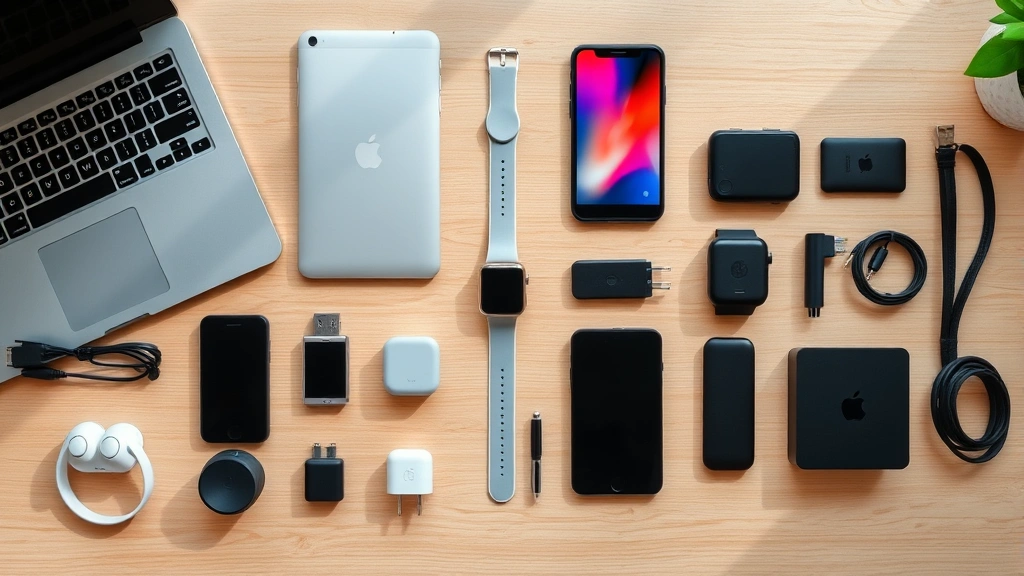
Here’s the thing that separates genuinely useful gadgets from expensive paperweights: they solve actual problems in your daily life. I know that sounds obvious, but you’d be surprised how many people buy gadgets because they’re cool or because everyone else has one, not because they actually need it.
When you’re evaluating a new piece of tech, ask yourself three critical questions. First, what specific problem does this solve for me? Second, how much time or frustration will it save me weekly? Third, can I accomplish the same thing with what I already own, just with slightly more effort? If you can’t answer the first two questions confidently, the third one probably applies to you.
The best gadgets are the ones that disappear into your life. They work so seamlessly that you stop thinking about them and just use them. That’s when you know you’ve made a good purchase. A mediocre gadget is one you’re constantly aware of—you’re thinking about its limitations, its quirks, why you bothered buying it in the first place. That’s a red flag.
Take a look at our guide on smartphone features that actually matter to understand how manufacturers differentiate their offerings. You’ll find that many premium features sound impressive in marketing materials but rarely impact real-world usage. Understanding this distinction is crucial before you drop serious cash on the latest flagship model.
The Real Performance Differences That Matter
Performance is one of the most misunderstood aspects of gadget buying. People obsess over specs—processor generation, RAM amounts, storage speeds—without understanding what these actually mean for their day-to-day experience.
Let’s be real: if you’re not doing heavy video editing, 3D rendering, or running complex simulations on your laptop, the difference between a mid-range processor and a flagship chip is negligible for your actual work. You’ll feel zero difference browsing the web, editing documents, or even casual photo editing. The performance gap only matters when you’re pushing the hardware to its limits.
For smartphones, the situation is similar. Last year’s flagship processor is still faster than 99% of the tasks you’ll throw at it. The jump from this year’s model might be 10-15% faster, but that’s not the same as 10-15% more usable. Real-world performance differences are often imperceptible. What matters more is whether the device has enough performance for what you do, not whether it has the most performance available.
RAM is another area where more isn’t always better. A phone with 12GB of RAM isn’t inherently better than one with 8GB if the operating system and apps are well-optimized. Some manufacturers throw extra RAM at problems that better software engineering could solve. Check out our article on understanding RAM and when you actually need it for a deeper dive into this topic.
Storage speed, processor efficiency, and graphics performance are the performance metrics that actually translate to real benefits. A faster SSD makes your computer feel snappier. Efficient processors mean longer battery life. Better graphics mean smoother gaming and video playback. Focus on those.
Battery Life and Charging: The Unsexy Truth
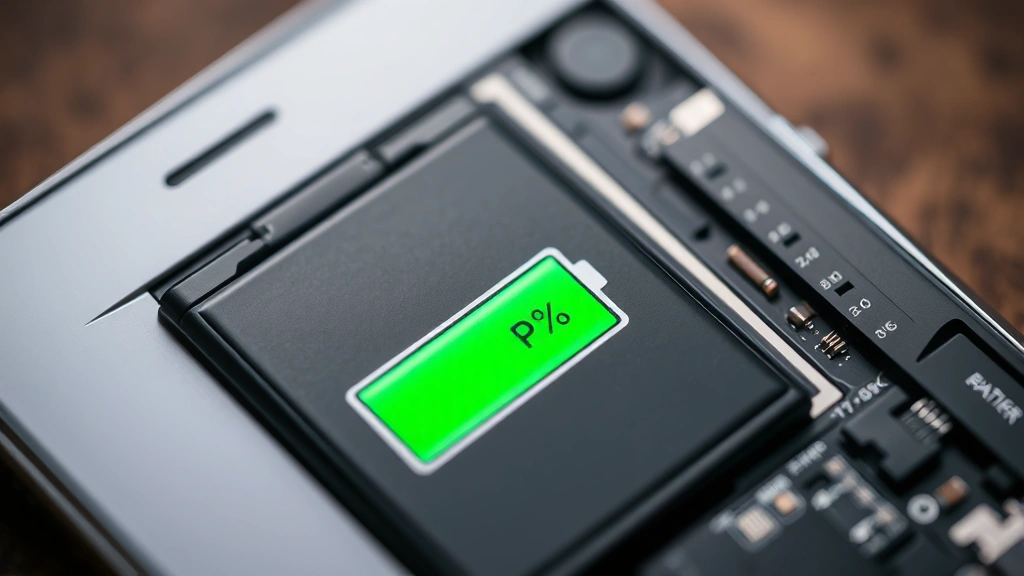
This is where I get genuinely frustrated with the tech industry. Battery technology hasn’t advanced as quickly as processing power, yet it’s the feature that impacts your daily life more than anything else. A phone with the fastest processor in the world is useless if it dies by 2 PM.
Here’s what manufacturers won’t tell you: the stated battery life is almost never what you’ll actually get. They test under ideal conditions—moderate brightness, light usage, specific network conditions. Real-world battery life depends on how you use your device, how bright you keep the screen, what apps you run, and about a dozen other variables.
What matters is honest battery endurance under realistic usage. Some devices claim 14 hours of battery life but only deliver 8-10 in actual use. Others claim 12 hours and genuinely deliver 12-14. The difference often comes down to how efficiently the hardware and software work together. Read reviews from people who’ve actually used the device for a week, not just the manufacturer’s marketing materials.
Charging speed is another misleading spec. A phone that charges from 0-100% in 30 minutes sounds amazing until you realize that most of that speed is in the first 50%. The last 50% charges much slower to protect battery health. In practice, you’ll rarely use the full charging speed because you won’t let your phone die completely. What actually matters is how much charge you can get in 15-30 minutes of charging, which is more relevant to how you’ll actually use your device.
For more detailed analysis, check out our piece on battery myths and what actually extends device lifespan. Battery health degradation is real, and understanding how to preserve it can mean your device stays usable for years longer.
Design vs. Durability: Finding the Balance
This is where personal preference gets complicated by physics. Beautiful gadgets are often less durable than utilitarian ones. Premium materials like glass and aluminum look fantastic but are more prone to damage than plastic. That gorgeous curved edge is less durable than a flat frame.
Manufacturers make these trade-offs intentionally. They know that consumers are influenced by aesthetics, so they prioritize how something looks and feels over how well it survives a drop from waist height. It’s not a conspiracy—it’s just business. If you want a truly durable gadget, you’re usually sacrificing some aesthetic appeal.
The real question is whether the design choices align with how you’ll actually use the device. If you’re someone who uses cases and screen protectors anyway, does it matter if the phone has a premium glass back? Not really. If you’re meticulous about keeping your devices pristine and never drop anything, premium materials might be worth it. If you’re rough on your gear, plastic and metal will serve you better.
Water resistance ratings are another area where there’s a disconnect between specs and reality. An IP68 rating means something different in a lab than it does when you’re at the beach with salt water and sand. The rating is a minimum standard, not a guarantee. Devices with lower ratings might still survive water exposure; devices with high ratings can fail under the right (or wrong) circumstances. Don’t use a rating as permission to be reckless.
Software and Updates: The Overlooked Factor
Here’s something that doesn’t get enough attention: the software experience and update commitment matter more than the hardware specs. A device with adequate hardware and excellent software is more enjoyable than one with premium hardware and mediocre software.
Update longevity should be a major factor in your purchasing decision, especially for phones and tablets. A device that receives security updates for 5-7 years is dramatically better than one that gets updates for 2-3 years, even if the older device is otherwise superior. Security vulnerabilities are constantly discovered, and devices without updates become increasingly risky to use online.
Beyond security, major operating system updates often bring significant improvements to performance, features, and battery life. A device that stops receiving major updates will feel increasingly dated and slow compared to newer devices, even if the hardware is technically capable of running the new software.
Software optimization is also criminally underrated. Some devices have less impressive specs on paper but feel snappier and more responsive because the software is better optimized. Others have premium specs but feel sluggish because the software isn’t well-tuned. Spend time using a device before buying, or read reviews from people who’ve used it extensively. That’s where real-world performance differences show up.
Value for Money in 2024
The gadget market has become increasingly tiered, and understanding where the best value lives is crucial. Flagship devices cost $1000+, and they’re genuinely excellent. But excellent doesn’t mean they’re 2x better than a device costing $500.
In 2024, the value sweet spot for most categories is in the mid-range. A phone costing $400-600 will handle 95% of what a $1200 flagship does. You might miss out on the absolute best camera, the fastest processor, or the fanciest design, but the core experience is nearly identical. That’s a huge value difference.
The same applies to laptops, tablets, and other gadgets. The diminishing returns of premium pricing are real. You’re often paying for the last 5% of performance or the brand prestige, not for dramatically better functionality.
That said, some categories justify premium pricing more than others. Cameras in premium phones genuinely produce noticeably better photos. Processors in premium laptops do make a tangible difference for demanding work. Premium audio equipment sounds objectively better. But premium charging speeds, premium RAM amounts, and premium screen refresh rates? Those are often marketing victories rather than functional improvements.
For specific recommendations on finding value, check out our guide on best value gadgets across different budgets. We break down exactly which features are worth paying extra for and which are marketing fluff.
Common Gadget Buying Mistakes
Let me share the mistakes I see people make repeatedly, because learning from others’ errors is cheaper than making them yourself.
Mistake #1: Buying based on specs instead of real-world performance. A device with impressive specs that you don’t actually use is worse than a device with adequate specs that you love using. Stop comparing spreadsheets and start comparing actual experiences.
Mistake #2: Ignoring software and focusing only on hardware. The best hardware in the world is useless with terrible software. Factor in the software experience, update commitment, and ecosystem integration into your decision.
Mistake #3: Prioritizing new features over reliability. A gadget that works flawlessly is better than one that has cool new features but crashes occasionally. Stability and reliability should be your baseline requirement.
Mistake #4: Not considering your actual usage patterns. That gaming laptop with a powerful GPU is overkill if you mostly browse the web and edit documents. Buying for what you might do instead of what you actually do wastes money.
Mistake #5: Underestimating the cost of ownership. The purchase price is just the beginning. Factor in cases, chargers, repairs, replacements, and other accessories. Some devices are significantly more expensive to maintain than others.
Mistake #6: Dismissing older or less trendy devices. The previous generation phone or last year’s laptop model is often 80% as good as the current model at 60% of the price. Fashion isn’t worth the premium.
Mistake #7: Not reading long-term reviews. Initial reviews are often glowing because reviewers haven’t lived with the device long enough to encounter its flaws. Read reviews from people who’ve used the device for months, not days.
For authoritative reviews that dig deep into these issues, check out The Verge and Ars Technica, which offer comprehensive gadget reviews that go beyond the surface-level specs.
FAQ
How long should I wait between gadget upgrades?
For smartphones, 3-4 years is the typical lifespan before performance and battery degradation become noticeable. For laptops, 4-5 years is reasonable unless you do demanding work. For tablets and wearables, 2-3 years is common. Ultimately, upgrade when the device no longer meets your needs reliably, not because a new model exists.
Should I always buy the latest generation?
Absolutely not. The previous generation is almost always better value. You’re paying for incremental improvements that might not matter to you. The exception is if you plan to keep the device for 5+ years, in which case the latest generation’s longer update support might justify the premium.
Are premium brands always better?
Not necessarily. Premium brands often have better build quality and software support, but they don’t always offer better performance for the price. Sometimes you’re paying for the brand name and the ecosystem, not for objectively superior hardware. Evaluate each device on its merits.
What specs should I prioritize?
Prioritize processor efficiency over raw speed, battery capacity and actual endurance over claimed battery life, software quality over feature count, and update commitment over initial features. These have the biggest impact on your real-world experience.
How do I avoid buyer’s remorse?
Use the device in-store or borrow one before buying. Read reviews from people who’ve used it for weeks, not days. Ask yourself if it solves a real problem. Consider whether you’ll actually use the new features. Sleep on the decision—if you’re still excited about it the next day, it’s probably a good purchase.