
Look, I get it—choosing the right tech gadget can feel overwhelming. There’s always something new, something supposedly “better,” and everyone’s got an opinion. But here’s the thing: the best gadget isn’t always the most expensive one or the one with the most features. It’s the one that actually fits into your life and solves a real problem you’re facing.
In this guide, we’re diving deep into what makes a gadget worth your money and attention. Whether you’re a casual tech enthusiast or someone who lives and breathes the latest innovations, you’ll find something useful here. We’ll break down what to look for, what to avoid, and most importantly, we’ll be honest about the trade-offs—because every gadget has them.
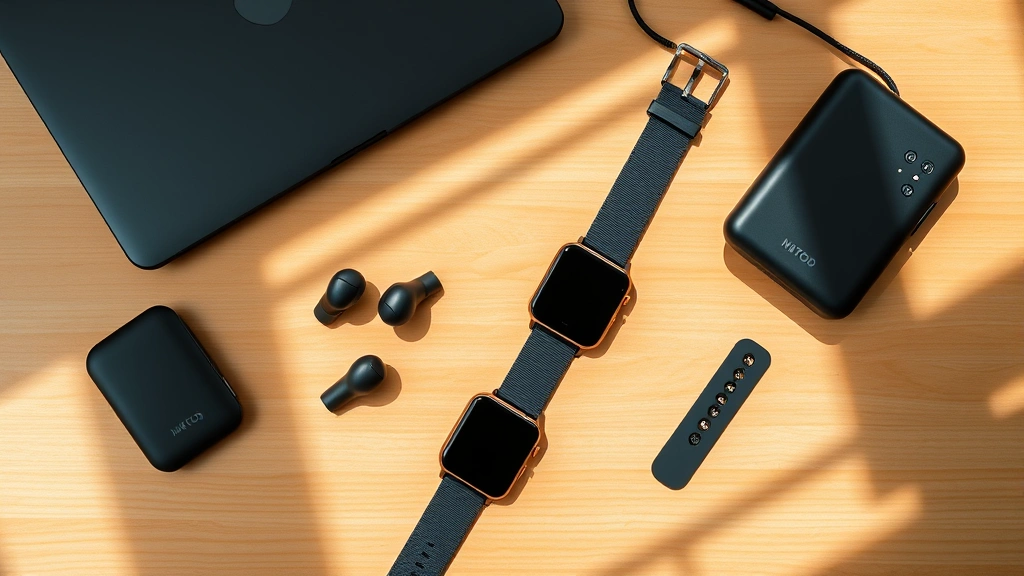
What Makes a Gadget Actually Worth Buying
Before we get into the nitty-gritty, let’s talk about the fundamental question: what separates a genuinely useful gadget from something that just looks cool on unboxing videos? The answer’s more nuanced than you’d think.
First, there’s intentionality. A great gadget solves a specific problem or makes a task noticeably easier. It’s not about having the most features—it’s about having the right features that you’ll actually use. I’ve seen people drop $500 on devices they use once a month, then wonder why they’re not happy with their purchase. The best gadgets are the ones that become part of your daily routine without you really thinking about it.
Second, there’s the user experience. This is huge and often overlooked in spec sheets. A gadget might have impressive numbers on paper, but if it’s clunky to use, has a confusing interface, or requires a PhD in engineering to set up, you’re going to resent it. Look for products that prioritize simplicity without sacrificing functionality.
Third, consider the ecosystem. Does this gadget play nicely with your other devices? If you’re deep in the Apple world, an Android-only gadget might be more friction than it’s worth. Integration matters way more than people realize when you’re using something daily.

Performance Matters, But So Does Everything Else
Here’s where I might lose some of you, but stick with me: raw performance specs are important, but they’re not the whole story. Yeah, a faster processor is objectively better than a slower one, but in real-world usage, you might not notice the difference if the slower option still does everything you need.
Think about it this way: a flagship smartphone with a bleeding-edge processor is undeniably powerful, but if you’re mostly checking email, scrolling social media, and taking photos, you’re not going to feel the performance gap compared to a mid-range option. That’s not to say performance is irrelevant—it absolutely matters for longevity, multitasking, and future-proofing your purchase.
What I’m saying is: benchmark scores are one data point, not the whole picture. Real-world testing matters more than theoretical maximums. Check out AnandTech or NotebookCheck for deep-dive performance analysis that goes beyond marketing specs.
Battery life is another performance metric that deserves serious attention. A gadget that dies by 2 PM is essentially useless, no matter how powerful it is. Same with thermal management—if something runs hot and throttles performance, you’ve got a real-world problem that won’t show up in a spec sheet.
When evaluating performance, ask yourself: What will I actually do with this? Then find gadgets that exceed those requirements by a reasonable margin. You want some headroom for future needs, but you don’t need to overshoot by a mile.
Build Quality and Durability
This is where I think a lot of people get burned. A beautiful design means nothing if it falls apart after six months. Build quality is about materials, manufacturing precision, and how thoughtfully something’s assembled.
Premium materials aren’t always necessary, but they usually indicate that a manufacturer cares about longevity. Metal frames tend to outlast plastic. Gorilla Glass holds up better than regular glass. But here’s the thing: sometimes a well-engineered plastic device outlasts a poorly made metal one. It’s not about the material—it’s about the execution.
Look for details that signal quality: Are the seams tight or do they have gaps? Do buttons feel firm or mushy? Is the finish durable or does it show fingerprints and scratches immediately? These aren’t superficial concerns—they directly impact how long you’ll actually want to use something.
Repairability matters too. Can you replace the battery if it dies? Are replacement parts available and affordable? Some manufacturers make it nearly impossible to fix anything, which effectively means your gadget has a built-in obsolescence date. That’s not consumer-friendly, and it’s worth factoring into your decision. Check iFixit‘s repairability scores before committing to expensive gadgets.
Warranty coverage is your safety net. A longer warranty usually signals manufacturer confidence in their product. A year is standard; two years is pretty good; anything longer is excellent. But also read what’s actually covered—some warranties are basically useless because they exclude everything that actually breaks.
Real-World Use Cases
Here’s where the rubber meets the road. A gadget’s value depends entirely on how it fits into your actual life, not the idealized version of your life you imagine when you’re reading marketing copy.
Let’s say you’re considering a smartwatch. On paper, it sounds amazing: notifications on your wrist, fitness tracking, contactless payments, all that good stuff. But will you actually use those features? Or will it become an expensive notification mirror that you check less than your phone? Honest self-assessment matters here.
The same goes for laptop performance. A 16-core processor sounds incredible, but if you’re doing word processing and web browsing, you’ll never tap into that power. Conversely, if you’re doing video editing or 3D rendering, that processor becomes essential.
Real-world use also includes portability, weight, and form factor. A lighter gadget might seem obviously better, but if it sacrifices battery life or has a smaller screen, you might actually prefer the heavier option. Context matters.
I’d also recommend reading reviews from people who have similar needs and usage patterns to yours. Tech reviewers often test gadgets in ideal conditions, but your experience might differ significantly. Look for reviews that mention real-world scenarios: “I use this daily for my job, and here’s what I actually experience.”
Price vs. Value
This is where things get interesting because price and value are completely different concepts. A $200 gadget might be better value than a $1,000 gadget, even if the expensive one is objectively superior.
Value is about what you’re getting for your money relative to alternatives. It factors in durability, feature set, software support, and how long you’ll actually use something. A gadget that costs more but lasts twice as long and makes you happier is better value than a cheaper option you’ll replace in a year.
Here’s my honest take: flagship products are usually not the best value. They’re packed with features and premium materials, but you often pay a luxury tax for that. Mid-range options frequently offer 80% of the functionality at 50% of the price. For most people, that’s the sweet spot.
That said, there are times when spending more makes sense. If a gadget is mission-critical for your work, investing in a premium option with better support and reliability pays for itself. If you’ll use something every single day for years, durability justifies a higher price tag.
Don’t fall for the sunk cost fallacy though. Just because something’s expensive doesn’t mean it’s worth the money. And just because something’s cheap doesn’t mean it’s a bargain. Compare similar products, read actual user reviews on RTINGS or The Verge, and think about your personal needs.
One more thing: factor in the total cost of ownership. Does it need expensive accessories? Are replacement batteries available? Will software updates be supported for years, or will it become obsolete quickly? These hidden costs often outweigh the initial purchase price.
FAQ
How do I know if a gadget’s worth buying before release?
Read professional reviews, but focus on hands-on testing rather than just specs. Watch YouTube videos of people actually using it, not just unboxing videos. Check if the manufacturer has a good track record. And honestly? Wait for real-world reviews if it’s a significant purchase. There’s no shame in letting early adopters work out the bugs.
Should I always buy the latest version?
Not necessarily. Previous-generation gadgets often drop in price significantly and work almost as well. The difference between last year’s flagship and this year’s might be 10% better performance at 30% higher cost. That’s not always worth it. Buy the latest if you need the newest features; otherwise, save money and get the previous model.
How important is brand reputation?
Very. A brand’s reputation reflects their commitment to quality, customer support, and longevity. Companies with good reputations stand behind their products and provide updates and support for years. Brands with sketchy reputations might disappear tomorrow, leaving you with unsupported hardware. That’s not a risk I’d take.
What about used or refurbished gadgets?
They can be good value if they come with warranty coverage. Refurbished from official channels is usually safe. Used from individuals is riskier but can work if you’re buying from someone trustworthy. Just verify condition thoroughly and understand you won’t have the same support as a new purchase.
How do I avoid buyer’s remorse?
Take your time deciding. Sleep on it. Imagine yourself using it a week from now—are you still excited? If you’re having doubts, that’s a sign. Don’t let FOMO push you into purchases. The best gadgets are the ones you’re genuinely excited about, not the ones you think you should want.