Look, I get it—choosing the right tech gadget feels like navigating a minefield these days. There’s always something newer, faster, or shinier promising to change your life. But here’s the thing: not every upgrade is worth your hard-earned cash, and not every “revolutionary” device actually lives up to the hype. That’s where we come in. I’ve spent enough time with various gadgets to know what separates the genuinely useful from the overhyped marketing fluff.
In this guide, we’re breaking down everything you need to know about finding tech that actually fits your life instead of complicating it further. Whether you’re a casual user or someone who lives and breathes the latest releases, you’ll find real insights here—not just spec sheets and promotional nonsense. We’ll talk about what makes certain gadgets worth the investment, what features actually matter versus what’s just nice-to-have, and how to avoid the common traps that leave you disappointed.
How to Choose the Right Tech Gadget for Your Needs
The first mistake most people make is buying based on what everyone else is using. Sure, your friend loves their new smartwatch, but that doesn’t mean it’s the right choice for you. Real decision-making starts with honest self-assessment. What’s your actual use case? Are you someone who checks notifications constantly, or do you prefer staying disconnected? Do you need professional-grade performance, or are you mainly browsing and streaming?
Think about your daily routine. What frustrates you about your current setup? Maybe your phone battery dies by afternoon, or your laptop gets unbearably slow when you’re multitasking. Those specific pain points should drive your purchasing decisions, not vague promises of being “the best” or “industry-leading.” When you’re shopping for smart home devices, for instance, make sure they actually solve a problem you have rather than creating new ones.
Read reviews from multiple sources—not just the big tech publications. Look for reviews from actual users who’ve had the gadget for at least a few months. That’s when you’ll discover the quirks and real-world issues that don’t show up in the first-week honeymoon reviews. Check The Verge and Ars Technica for in-depth technical breakdowns, but also spend time in Reddit communities and Amazon reviews to see what actual owners think after living with the device.
Essential Features That Actually Matter
Here’s where we get real: not every feature in a spec sheet is created equal. Some things are genuinely important for your experience, while others are just marketing buzzwords designed to justify a higher price tag. Battery life? That’s essential—it directly impacts whether you can actually use the device when you need it. Screen brightness and color accuracy? Absolutely crucial if you’re looking at the display for hours. Processor speed alone? Less important than you’d think if the device already handles your tasks smoothly.
When evaluating wireless earbuds and audio equipment, don’t get caught up in raw driver size numbers. What matters is how they actually sound to your ears and whether they stay in place during your activities. Noise cancellation quality varies wildly between models, and the best version for you depends on your environment—office noise is completely different from airplane noise.
Storage capacity is another area where people get confused. Yes, more is generally better, but cloud storage exists for a reason. If you’re not regularly working with massive video files or maintaining a massive local library, 256GB might be plenty. Meanwhile, expandable storage sounds great until you realize you’re constantly swapping cards or managing multiple devices. Sometimes fixed storage with cloud integration is actually more convenient.
Weight and ergonomics deserve more attention than they usually get. A device that’s technically superior but uncomfortable to hold for extended periods will frustrate you daily. If you’re carrying something in your pocket or bag, those extra ounces matter more than you’d think. I’ve seen people return perfectly capable devices just because they felt wrong in hand.
” alt=”Close-up of smartphone display showing vibrant colors and sharp text, held at eye level in natural lighting”>
Budget Considerations and Real Value
There’s a massive difference between price and value, and this is where most people get it wrong. The most expensive option isn’t always the best, and the cheapest definitely isn’t either. What you’re really looking for is the sweet spot where you get everything you need without paying for features you’ll never use.
Budget gadgets have gotten surprisingly good. A mid-range smartphone today has capabilities that would’ve cost three times as much five years ago. But there’s usually a reason the budget option costs less—maybe the camera isn’t as sophisticated, or the display isn’t as vibrant, or the software updates won’t last as long. These tradeoffs are fine if they’re not things you care about.
When comparing prices, factor in the total cost of ownership. That cheaper laptop might save you $200 upfront, but if it needs a new battery in two years and repair costs are astronomical, you’ve actually lost money. Check warranty terms, repair costs, and how long the manufacturer typically supports devices with software updates. For something like tablets for productivity, longevity matters because you’re likely to keep it for several years.
Don’t fall for the trap of buying something “good enough for now” with the plan to upgrade soon. That’s how people end up with drawers full of gadgets they never use. Spend a bit more on something you’ll actually love using, and you’ll get better value than buying something mediocre at a discount.
Understanding Performance Specs Without the Confusion
Processor speed, RAM, refresh rates, megapixels—these numbers mean absolutely nothing if you don’t understand what they actually do. Let’s break this down in a way that makes sense.
A processor with a higher GHz rating isn’t automatically faster than one with a lower rating. Different architectures, efficiency cores, and manufacturing processes all play a role. What matters is real-world performance—how fast apps open, how smoothly you can multitask, whether games run without stuttering. A processor from last year’s flagship might outperform a newer budget chip, despite lower numbers on paper.
RAM gets misunderstood constantly. More isn’t always better. An 8GB device with efficient software will feel faster than a 12GB device with bloated software. For most people, 8GB is plenty for multitasking. Jump to 12GB or more only if you’re doing heavy video editing, running virtual machines, or developing software.
Camera megapixels are perhaps the most misleading spec in consumer tech. A 48-megapixel camera isn’t inherently better than a 12-megapixel one. Sensor size, lens quality, computational photography, and processing algorithms matter far more. That’s why flagship phones from a few years ago often take better photos than some newer budget phones with higher megapixel counts. When shopping for camera equipment, look at sample images and test footage instead of obsessing over numbers.
Display refresh rates above 60Hz are genuinely nice—scrolling feels buttery smooth, and gaming is more responsive. But once you’re above 90Hz, the improvements get more subtle, and the battery hit gets more noticeable. 120Hz is the sweet spot for most people; anything higher is mostly marketing.
Ecosystem and Compatibility Matters More Than You Think
This is something tech reviewers don’t emphasize enough, but it’s crucial: the best gadget in a vacuum might be terrible if it doesn’t play nicely with your other devices. If you’re deeply invested in Apple’s ecosystem, that amazing Android phone won’t bring you as much joy as an iPhone would, even if it’s technically superior.
Compatibility goes beyond just the brand name. Check whether the device connects seamlessly with your existing gear. Does it sync across all your devices? Can you easily transfer files? Will it work with your home network? These practical concerns matter way more in your daily life than a faster processor you’ll never notice.
Cloud integration is a huge factor here. If the gadget doesn’t integrate smoothly with your preferred cloud service, you’ll be manually managing files constantly. Check whether it supports your ecosystem’s native cloud storage, whether backups happen automatically, and whether you can access your data from other devices without friction.
Before buying anything, spend time looking at connectivity standards and wireless technology to understand what future-proofs your purchase. Bluetooth 5.2, WiFi 6E, and USB-C are becoming standard, and gadgets with these features will work with more devices for longer.
Durability, Longevity, and Long-Term Satisfaction
A gadget that breaks after a year isn’t a good value no matter how cheap it was. Real quality shows up over time, not in the first week of ownership.
Build materials matter. Metal and glass feel premium but are less durable than quality plastic. Gorilla Glass Victus is genuinely better than older glass versions for drop protection. Water resistance ratings like IP67 or IP68 are meaningful and worth paying for if you’re around water regularly. That said, “waterproof” claims are often exaggerated—a device rated IP67 can survive brief water exposure, but that doesn’t mean you should take it swimming.
Software support is incredibly important and often overlooked. How long will the manufacturer provide security updates? Will the device get major OS upgrades? A phone that gets five years of updates will stay secure and relevant far longer than one that only gets two years of support. This is where flagship devices often make more sense than budget options—you’re literally buying years of longevity.
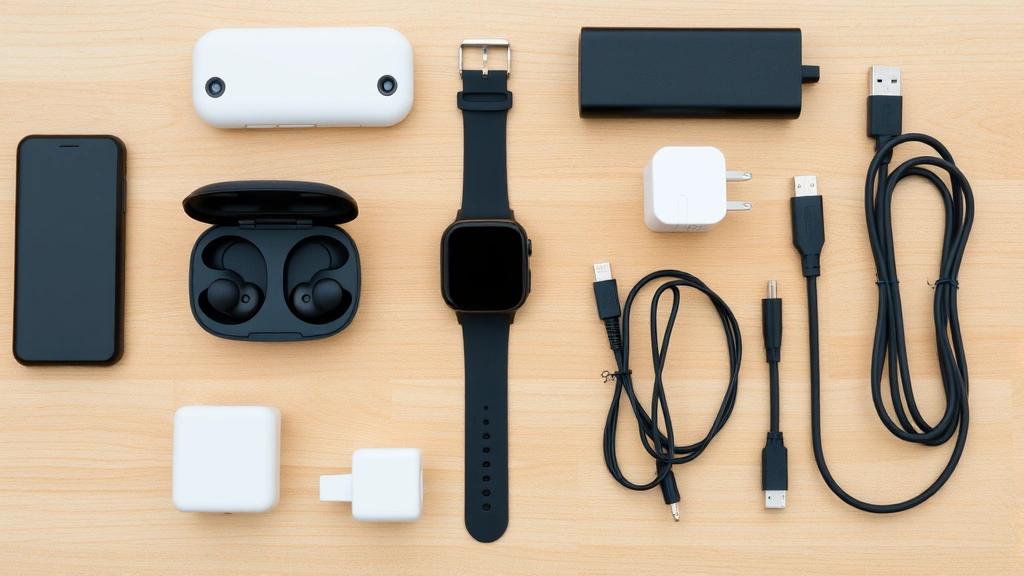
” alt=”Flat lay arrangement of various tech gadgets including headphones, smartwatch, portable charger, and cables on a wooden surface”>
Repairability affects longevity too. Can you replace the battery yourself, or will it cost $150 at an official repair center? Are replacement parts available and affordable? Some companies make repairs intentionally difficult to force upgrades, while others support right-to-repair principles. Check iFixit’s repairability scores before buying anything expensive.
Consider the psychological aspect too. If you genuinely love using a device, you’ll take better care of it and get more years out of it. A gadget that feels frustrating to use will end up in a drawer no matter how well it’s built. That’s why trying before buying, if possible, is so valuable.
Frequently Asked Questions
Should I wait for the next generation or buy now?
There’s always a newer model coming, so waiting forever gets you nowhere. If the current generation meets your needs and is available at a good price, buy it. The improvements in the next version are rarely worth delaying your actual enjoyment of having a working device. That said, if you know a major release is coming in the next month, waiting might get you a price drop on the current model.
How do I know if a gadget is actually worth the premium price?
Compare what you’re actually getting for the extra cost. Is it one feature you really care about, or is it lots of little improvements? Does the warranty or support justify the higher price? Check whether the cheaper version has any real limitations that would impact your use, or if you’re just paying for the brand name. Sometimes the premium is worth it; sometimes it’s not.
What’s the best way to avoid buyer’s remorse?
Take your time making the decision. Live with your current setup for a week and write down what frustrates you. Then find gadgets that specifically address those frustrations. Avoid impulse purchases, and don’t buy something just because it’s on sale. The best deals are useless if you don’t actually need the item.
Are refurbished or open-box gadgets worth buying?
Often yes, but it depends on the seller and warranty. Manufacturer refurbished devices are usually excellent—they’ve been tested and repaired to like-new condition and often come with full warranties. Open-box items from reputable retailers are usually fine too, especially with return policies. Just avoid sketchy sellers and always verify the warranty situation.
How do I stay informed about new gadgets without getting caught in hype cycles?
Follow a few trusted reviewers rather than watching everything. Read reviews from CNET and Tom’s Guide for balanced perspectives, but also check user reviews on Wirecutter for practical recommendations. Avoid tech news sites that treat every announcement like a world-changing event. Subscribe to newsletters that focus on your specific interests rather than trying to follow everything.
The real secret to smart gadget buying is patience and self-awareness. Know what you actually need, understand what you’re paying for, and don’t let marketing or peer pressure override your own judgment. The best gadget for you is the one that genuinely improves your life and brings you joy to use—not the one that impresses other people or checks the most boxes on a spec sheet. Take your time, do your research, and remember that good tech should feel like an upgrade to your life, not a burden.