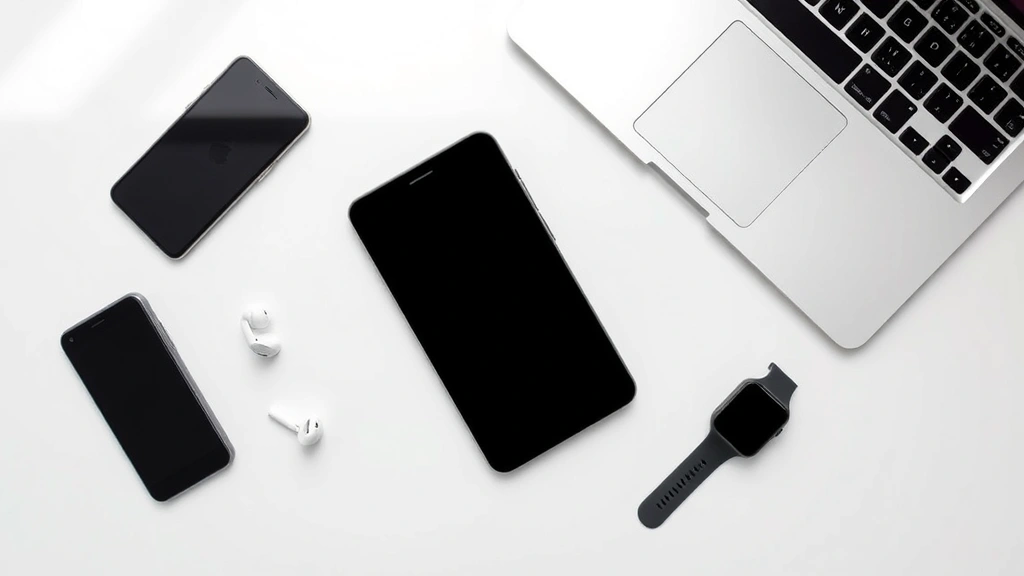
Look, if you’ve been eyeing a new gadget lately, you’ve probably noticed the tech world’s gotten pretty wild. There’s something genuinely exciting happening right now—innovation’s accelerating, prices are getting more competitive, and honestly? The best time to upgrade might be sooner than you think. Whether you’re a hardcore tech enthusiast or just someone who wants their devices to actually work the way they’re supposed to, we’re diving deep into what’s worth your attention and what’s just hype.
The gadget landscape has shifted dramatically over the past couple years. We’re not just talking incremental upgrades anymore—we’re seeing genuine breakthroughs in battery tech, AI integration, display quality, and processing power. But with all these options, how do you actually know what’s worth buying? That’s exactly what we’re breaking down today.

The Biggest Tech Trends Right Now
AI integration is everywhere, and honestly? It’s not just marketing fluff anymore. We’re seeing legitimate productivity improvements in everything from smartphones to laptops. The trick is distinguishing between AI that actually makes your life easier and AI that’s just there because it sounds cool.
Battery technology has genuinely leveled up. We’re talking about phones lasting two full days, laptops pushing 15-20 hours of real-world use, and wearables that can go weeks on a single charge. This isn’t marketing speak—this is the real deal that changes how you actually use your devices.
Display tech continues to impress. Whether it’s higher refresh rates, better color accuracy, or improved brightness for outdoor visibility, your eyes will notice the difference. If you’re upgrading from something more than three years old, the jump will feel substantial.
USB-C has basically won the charging wars. Finally. Most modern gadgets are consolidating on this standard, which means you’re not juggling five different cables anymore. Small thing? Maybe. But it genuinely improves daily life.
When you’re thinking about protecting your investment with quality accessories, remember that the quality of your gadgets deserves equally solid protection. Build quality matters now more than ever, and manufacturers are finally getting serious about durability.
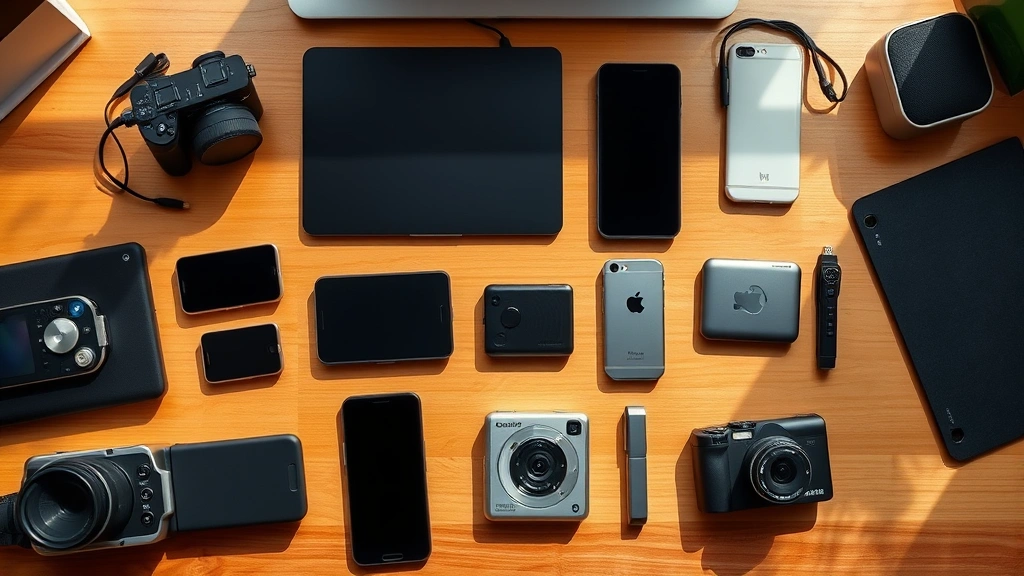
Flagship Devices That Actually Deliver
Here’s where things get interesting. The flagship market is competitive enough that you’re actually getting premium features at prices that almost make sense. Almost.
The top-tier smartphones in 2024 are genuinely impressive. We’re talking about computational photography that makes phone cameras legitimately rival dedicated cameras, processors so fast they’re almost overkill for regular use, and displays that make everything look like an HDR movie. The question isn’t whether they’re good—it’s whether you need them.
Laptops have undergone a serious transformation. If you haven’t looked at what’s available in the ultrabook category, you’re missing out. These machines are thin, light, powerful, and actually portable in ways traditional laptops never were. The battery life alone makes them worth considering if you’re constantly on the move.
Tablets occupy this weird middle ground where they’re perfect for some people and completely unnecessary for others. But the current generation? They’re legitimately powerful enough for creative work, gaming, and productivity. If you’ve been on the fence, the 2024 options are worth a second look.
Smartwatches have finally become genuinely useful rather than just fancy notification displays. Health tracking is legitimate, battery life is respectable, and the integration with your other devices actually feels seamless rather than tacked-on. Check out our guide on what to look for in smartwatch health tracking to understand what’s actually worth paying for.
Best Value Gadgets for Budget-Conscious Buyers
Here’s the thing about budget tech: it doesn’t suck anymore. You’re not making massive compromises if you’re willing to skip the latest flagship and go with something from last year or a mid-range option from a solid manufacturer.
Mid-range phones are where the real value lives. You get 90% of the performance of a flagship at 60% of the price. The camera might not be quite as impressive, but it’s still excellent. The processor might not be the absolute fastest, but you won’t notice in daily use. This is the sweet spot for most people.
Budget laptops have improved dramatically. You can grab a solid machine for actual work and casual use without spending $1,500. Look for solid build quality and decent battery life rather than chasing processor specs you don’t need.
Wireless earbuds in the $50-150 range are genuinely good now. Noise cancellation works, sound quality is solid, and battery life is reasonable. You don’t need to spend $300+ to get a quality experience. Our breakdown of budget earbuds that punch above their weight shows you exactly where to focus your money.
Accessories are where budget shopping gets tricky. Don’t cheap out on cables, chargers, and cases. A $15 charger that dies in six months costs more in frustration than a $40 quality option that lasts years. There’s a reason we’ve written extensively about what makes cables actually last—it matters.
Emerging Technologies Worth Watching
This is where things get genuinely exciting. There’s some wild stuff coming down the pipeline that’ll change how we use gadgets.
Foldable phones are finally getting good. Early generations had real problems—creases, durability issues, software that didn’t quite work. The current generation? They’re actually functional and innovative rather than just novelty items. They’re still expensive, but they’re worth watching.
AR glasses are coming, and they’re going to be weird and wonderful and probably frustrating at first. But when they hit the sweet spot of functionality and practicality, they’ll be genuinely transformative. We’re not quite there yet, but the prototypes are impressive enough that paying attention makes sense.
Solid-state batteries are the next frontier in battery tech. We’re talking about even better energy density, faster charging, and potentially longer lifespan. This tech is already appearing in some devices, and it’s only going to get more common.
AI on your device rather than in the cloud is changing privacy and functionality simultaneously. Local processing means faster response times and better privacy, but also requires more powerful hardware. This is going to be huge in the next couple years.
For a deeper dive into what’s coming, check out The Verge’s tech coverage for up-to-date reporting on emerging technologies.
Smart Shopping: How to Buy Tech in 2024
Okay, so you’ve identified something you want. Here’s how to actually make a smart purchase decision.
First, identify what you actually need. This sounds obvious, but it’s where most people go wrong. Do you need that flagship processor, or would a mid-range option handle everything you do? Be honest with yourself. Your Instagram browsing doesn’t need an $1,800 phone.
Second, check the reviews from actual tech journalists. Not YouTube unboxing videos, not manufacturer marketing materials. Read reviews from CNET, Ars Technica, Tom’s Hardware, or Wirecutter. These outlets test things properly and aren’t afraid to point out when something’s disappointing.
Third, consider timing. New products usually launch in predictable cycles. If you can wait a few months, you might catch a price drop on the current generation or get early looks at what’s coming next. But also don’t get paralyzed waiting for the next thing—there’s always something new coming.
Fourth, think about ecosystem. If you’re already invested in Apple, Android, Windows, or whatever else, consider how a new device fits into what you already own. Cross-ecosystem compatibility is better than ever, but having everything work together seamlessly is genuinely nice.
Fifth, budget for the whole package. The gadget is just the start. Factor in cases, screen protectors, chargers, cables, and potentially warranties. Sometimes a slightly cheaper device ends up costing more when you account for all the stuff you need to go with it. Our guide on smart accessory purchasing breaks down exactly what’s worth buying.
Finally, check the warranty and return policy. A 30-day return window is standard. Some places offer extended warranties that are actually worth it for expensive items. Know your options before you buy.
One more thing: proper care of your gadgets extends their lifespan significantly. A $1,000 device that lasts five years is a better investment than a cheaper device that dies in two.
FAQ
What’s the best time to buy new tech?
Honestly? When you need it and when you’ve found something that genuinely fits your needs. Yes, prices drop, but technology also moves forward. Waiting forever for the perfect moment means you miss out on months of actually using something good. Major sales events (Black Friday, Prime Day) can offer decent discounts, but don’t let deal-hunting drive your decision.
Should I buy flagship or mid-range?
Mid-range is better for most people. Flagships are impressive, but you’re paying a premium for the top 10% of performance. That money’s better spent on something that does 90% of what you need at 60% of the price, or split between multiple devices and quality accessories.
How long should a gadget last?
Ideally, three to five years depending on the device. Phones and laptops should easily hit three years. High-end devices should push five. If something dies sooner, that’s a failure either in manufacturing or your care. Tablets and smartwatches might be shorter depending on your needs.
Is it worth buying last year’s model?
Absolutely. Last year’s flagship is often this year’s incredible value. The improvements year-to-year are usually incremental anyway. You’ll save money and still get a fantastic device. The only exception is if you specifically need a new feature that just launched.
What should I do with my old gadgets?
Don’t throw them away. Sell them, trade them in, donate them, or recycle them properly. Old tech still has value, and the environmental impact of proper recycling is real. Most manufacturers have trade-in programs, and there are plenty of second-hand marketplaces that work well.