Look, I’ve been covering tech gadgets for years, and I’ve got to tell you—the landscape of what’s possible with consumer electronics right now is absolutely wild. We’re at this sweet spot where innovation is hitting on all cylinders, but it’s also getting harder to figure out what actually deserves your money versus what’s just marketing fluff with a premium price tag.
That’s why I’m diving deep into everything you need to know about the latest gadgets making waves. Whether you’re thinking about upgrading your setup, looking for that perfect gift, or just trying to understand why your current tech feels like it’s already obsolete, I’ve got you covered. Let’s break down what’s actually worth your attention.
Understanding Today’s Tech Landscape
The gadget world in 2024 is honestly overwhelming if you’re not paying attention. Every manufacturer is pushing specs harder, prices are getting weird, and everyone’s claiming their product is “revolutionary.” But here’s the thing—most of them aren’t. Most are incremental improvements wrapped in new packaging.
What’s changed is that we’re seeing real competition across categories. It’s not just about flagship devices anymore. Mid-range options are getting legitimately good, and sometimes they offer better value than their premium counterparts. I’ve tested enough devices to know that spending the most money doesn’t automatically get you the best experience.
The smart move is understanding what performance metrics actually matter for your use case. Are you a content creator? A gamer? Someone who just wants reliable daily performance? The answer changes everything. That’s why I always recommend getting clear on your priorities before you start shopping. It saves money and headaches.
One thing that’s become increasingly important is understanding the broader tech ecosystem and how different brands approach innovation. The Verge does solid reporting on industry trends if you want to stay current. But the basics are simple: faster processors, better cameras, longer battery life, and improved software are the real game-changers.
Performance Metrics That Actually Matter
Let’s talk about specs, because this is where most people get lost. Manufacturers love throwing big numbers at you—processor speeds, megapixels, RAM amounts. But honestly? Raw numbers tell you almost nothing about real-world performance.
What actually matters depends on what you’re doing. If you’re gaming, you care about sustained performance and thermal management. If you’re doing photo work, sensor quality and processing power matter more than megapixel count (yes, really—more megapixels doesn’t automatically mean better photos). If you’re just browsing and checking email, last year’s flagship will handle it fine.
The processor is the foundation of everything, but here’s the reality: modern chips are so capable that most people can’t actually max them out. Even mid-range processors handle multitasking, apps, and everyday tasks without breaking a sweat. Where you see real differences is in sustained workloads and demanding applications. This is why I always recommend checking detailed benchmark results from reliable sources like GSMArena instead of just trusting marketing claims.
RAM is another one people obsess over. Honestly, 8GB is the sweet spot for most users right now. 12GB is nice if you’re a power user. 16GB or more? Unless you’re running virtual machines or doing heavy content creation, you’re paying for something you won’t use. RAM speed matters less than capacity for everyday use.
Storage is straightforward—get as much as you can afford, because you’ll fill it up faster than you think. And for the love of all that’s holy, get a device with fast storage. Slow storage ruins the entire experience, no matter how fast the processor is. This is one place where you really shouldn’t cheap out.
Design and Build Quality
Here’s where I get a little passionate because design is not just about looks. It’s about how a device feels in your hand, how durable it is, and whether you actually want to use it every day.
I’ve tested expensive devices with mediocre build quality and affordable ones that feel premium. Build quality is about material choice, attention to detail, and QC. You can usually tell by holding it—does it feel solid or plasticky? Do the buttons have good feedback? Are the gaps between components consistent? These details matter because they indicate how long the device will last.
Durability specs are worth checking. IP ratings for water and dust resistance are actually useful. Gorilla Glass or equivalent protection on screens matters if you’re clumsy like me. And honestly, a good case and screen protector are non-negotiable investments that’ll save your device and your wallet.
The thing about software experience is that it’s deeply connected to hardware design. Manufacturers are getting better at optimizing their software for their specific hardware, which means the experience feels more cohesive. This is especially true with flagship devices, where you’re paying for that integration and polish.
One thing I’ve noticed is that minimalist design is having a moment, and I’m here for it. Clean lines, fewer bezels, simpler button layouts—it all makes devices easier to use. But there’s a line between minimalist and feature-poor. Make sure the design doesn’t compromise functionality.

Battery Life and Efficiency
Battery life is something I test religiously because it’s one of the few specs that actually matters in your daily life. A device with incredible performance but terrible battery life is just an expensive paperweight.
The thing about battery capacity numbers is that they’re meaningless without context. A 5000mAh battery in one device might last all day, while the same capacity in another might barely get you through an afternoon. What matters is optimization—how efficiently the processor uses power, how well the software is optimized, and what kind of display you’ve got.
OLED displays are gorgeous but can be power-hungry. High refresh rate screens look buttery smooth but drain battery faster. Curved screens look premium but waste power. These are the tradeoffs manufacturers make, and understanding them helps you pick what’s right for you. If battery life is your priority, Wirecutter has excellent real-world battery testing that’s way more useful than manufacturer claims.
Charging speed is improving, and it’s actually useful now. Fast charging that gets you to 50% in 15-20 minutes is legitimately convenient. But it’s worth noting that fast charging can impact long-term battery health, so it’s a tradeoff. Wireless charging is nice but slower and less efficient than wired charging. My advice? Use fast charging when you need it, use standard charging when you don’t.
One thing I’m excited about is improved power efficiency across the board. New processors are getting better performance per watt, which means better battery life without sacrificing performance. This is the kind of innovation that doesn’t make headlines but genuinely improves your daily experience.
Software Experience and Ecosystem
Software is where your device actually comes alive. The best hardware in the world with mediocre software is a disappointment. This is non-negotiable.
When evaluating software, I look at responsiveness, customization options, bloatware levels, and update frequency. A snappy interface that responds instantly to your input beats raw performance specs every time. Lag is the death of a good experience, and it’s often a software problem, not a hardware one.
The ecosystem question is bigger than people realize. If you’re already in an Apple ecosystem with a Mac, iPad, and Apple Watch, an iPhone makes more sense because of seamless integration. Same logic applies to Android with Google services, or Samsung’s ecosystem. Switching ecosystems is painful because you lose that integration.
Update frequency matters more than most people think. Devices that get regular software updates stay secure and get new features. Devices that stop getting updates become security risks and feel outdated faster. When you’re evaluating a purchase, check the manufacturer’s track record for updates. Google’s Pixel phones, for example, are guaranteed major updates for years, which is a huge value proposition.
Customization is a spectrum. iOS is locked down but polished. Android is more open. Some people love the freedom of Android, others appreciate Apple’s walled garden approach. Neither is objectively better—it’s about what fits your workflow. This is why I always recommend trying before buying if possible.
One underrated aspect is how well software scales across different hardware tiers. The best manufacturers make their software work smoothly on entry-level, mid-range, and flagship devices. Companies that only optimize for flagships often leave budget device owners with a sluggish experience.
Value Proposition
Value isn’t just about price. It’s about what you get for what you pay, how long the device will be relevant, and whether it solves your actual problems.
I see people spending premium prices on devices that don’t match their needs. A professional photographer might justify a flagship, but a casual Instagram user is overspending. Conversely, I see people buying budget devices that frustrate them daily because they’re too slow or unreliable. It’s about finding the intersection of your needs, budget, and realistic expectations.
The best value often comes from last year’s flagship. You get 90% of the performance at 60-70% of the price. Manufacturers have figured this out, which is why they’re pricing flagships higher and making bigger jumps between generations. If you can wait a few months after a new release, you’ll find better deals on excellent devices.
Warranty and support matter more than people realize. A device with a solid warranty and good customer support is worth more than one without it. Check what’s included, how long it lasts, and whether the manufacturer actually stands behind their products. Tom’s Guide has solid reviews that include warranty and support information.
Repairability is becoming increasingly important. Can you actually fix this device if something breaks? Are replacement parts available? Is the repair process user-friendly or do you need to send it to an authorized center? These questions affect the total cost of ownership.
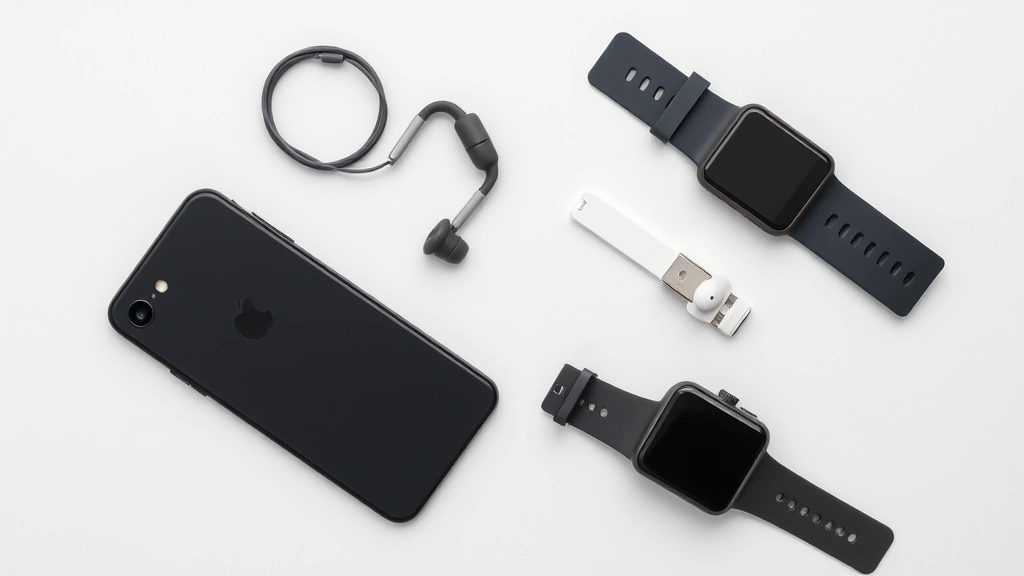
Long-term value is about choosing devices that’ll stay relevant. This usually means picking something with good processor performance, adequate RAM, and plenty of storage. It also means choosing brands with strong update track records. A device that gets regular updates stays secure and gets new features, which extends its useful life significantly.
FAQ
What specs should I actually care about?
Processor, RAM, storage, and battery life are the big ones. Everything else is secondary. Focus on what matters for your actual use case rather than chasing the highest numbers.
Is it worth waiting for the next generation?
Usually not unless you’re right on the edge of a major announcement. Technology improves incrementally, and waiting means missing out on using a great device now. Unless you know a new release is weeks away, buy what makes sense today.
How long should a device last?
With proper care, 3-4 years is realistic for most devices. After that, battery degradation and aging software usually make things feel sluggish. Flagship devices often last longer than budget ones.
Should I buy from official retailers or third-party sellers?
Official retailers or authorized resellers give you warranty protection and guarantee authenticity. Third-party sellers might be cheaper, but you’re taking a risk. For expensive devices, the peace of mind is worth the slightly higher price.
What about refurbished devices?
Refurbished devices from official manufacturers are legitimately great value. They go through quality checks and come with warranties. Just make sure they’re certified refurbished from the manufacturer, not some random seller claiming they’re refurbished.
How do I know if a device is right for me?
List your actual needs, not wants. Be honest about what you actually use daily. Then find devices that meet those needs at different price points. Read detailed reviews, watch hands-on videos, and try to test the device if possible. Don’t let marketing hype override your practical needs.