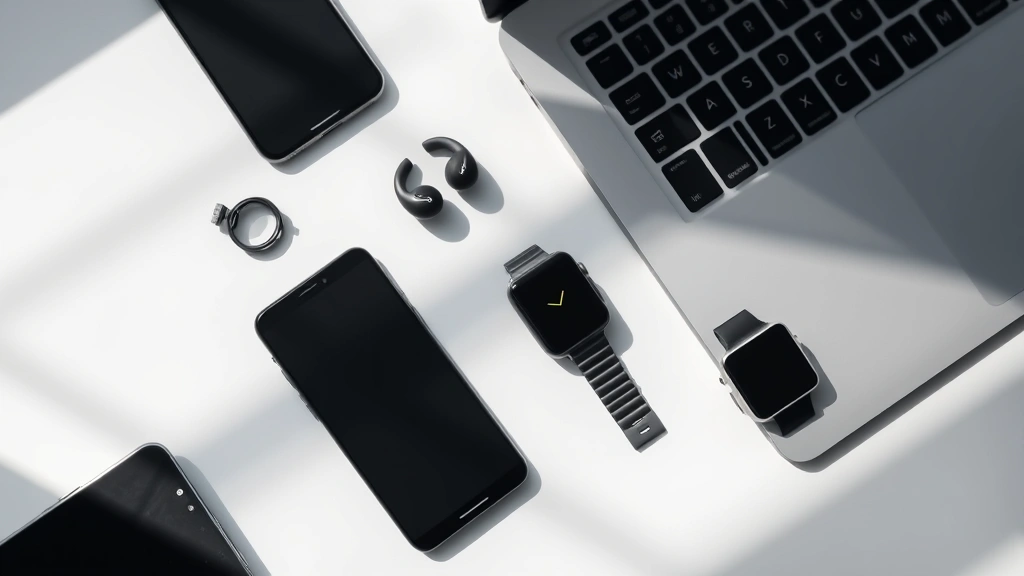
Look, if you’ve been scrolling through tech forums or watching YouTube reviews lately, you’ve probably noticed everyone’s talking about the latest gadget releases. But here’s the thing—not all the hype is warranted, and some of it’s genuinely overblown. That’s where we come in. We’re here to cut through the noise and give you the real deal on what’s actually worth your money and what’s just another shiny object destined for your junk drawer.
Whether you’re a hardcore tech enthusiast who camps out for new product launches or someone who just wants their devices to work reliably without breaking the bank, we’ve got you covered. We’re going to walk you through everything you need to know about today’s most talked-about gadgets, breaking down the specs, the real-world performance, and honestly—the stuff that actually matters when you’re deciding whether to pull the trigger on a purchase.

Understanding Modern Tech Ecosystems
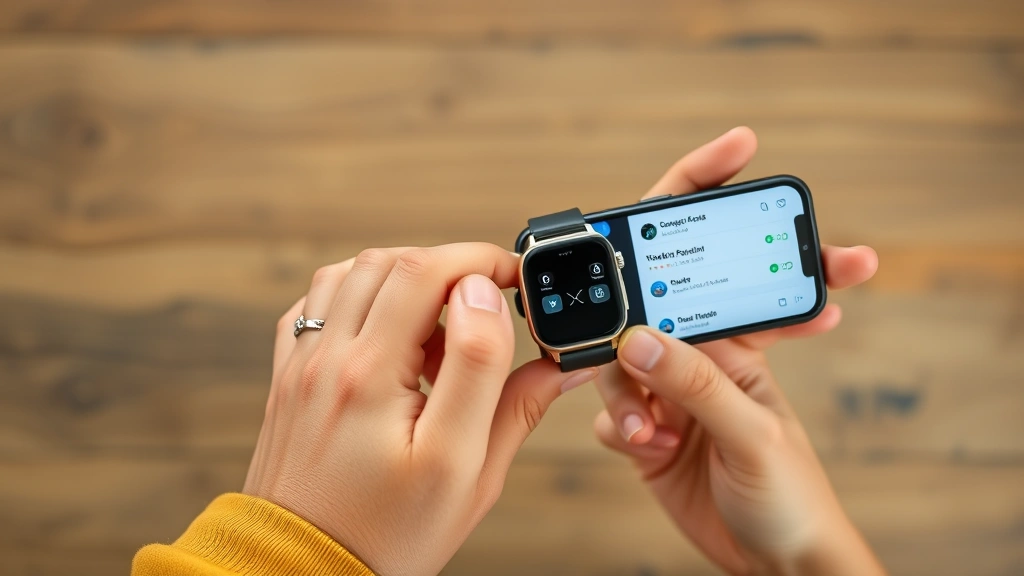
When you’re shopping for new gadgets, you can’t just look at one device in isolation anymore. Everything’s connected. Your smartphone talks to your smartwatch, your laptop syncs with your tablet, and your smart home devices all play nice with each other—or they don’t, which is its own frustrating story. This ecosystem approach has fundamentally changed how we should evaluate tech purchases.
Let’s say you’re considering a new smartphone. Five years ago, you could just look at the processor speed, camera megapixels, and screen size. Done. But now? You need to think about whether it plays well with your existing devices. Are you invested in the Apple ecosystem with AirPods and a Mac? Or are you riding the Android wave with a collection of Google-integrated gadgets? This matters more than you’d think, because switching ecosystems is a pain and can be expensive.
The beauty of modern ecosystems is that they genuinely make your life easier when everything works together. Handoff features let you start typing an email on your phone and finish it on your laptop. Continuity features ensure your clipboard syncs across devices. Smart home integration means your lights adjust based on your phone’s location. But the flip side? You’re kind of locked in. Breaking free from an ecosystem means leaving a lot of that convenience behind, which is why ecosystem compatibility should absolutely factor into your buying decision.
If you’re looking to understand how different products fit into the broader landscape of tech, our guide to smart home integration breaks down exactly how these systems talk to each other. We’ve also got detailed coverage on the best wireless earbuds across different ecosystems, which is crucial since audio accessories are often the gateway drug to ecosystem lock-in.
Performance Metrics That Actually Matter
Here’s where a lot of people get lost in the weeds. You’ll see specs like “6-core processor,” “8GB RAM,” “120Hz refresh rate,” and it all starts to blur together. The marketing teams are banking on that confusion because it lets them make their mid-range product sound like a flagship. So let’s talk about what actually translates to real-world performance.
Processor speed matters, but it’s not the whole story. A phone with a slightly slower processor but better optimization can feel faster than a raw-spec powerhouse. This is why GSMArena’s benchmark comparisons are so useful—they actually test real performance, not just theoretical numbers. RAM is similar. Eight gigs is plenty for most people; 16GB is overkill unless you’re doing heavy multitasking or mobile gaming with ultra settings.
Refresh rate is one of those specs that actually does matter, but only to a point. A 120Hz display is noticeably smoother than 60Hz when you’re scrolling through feeds or playing games. But jumping from 120Hz to 144Hz? Most people won’t see the difference in daily use. The real benefit of higher refresh rates shows up in specific scenarios—gaming, fast scrolling, animation-heavy apps. If you’re mostly reading emails and browsing news, 60Hz is still perfectly fine.
One thing we always recommend checking is how to properly read battery benchmarks, because manufacturers love to fudge these numbers. A phone that claims 48 hours of battery life under “mixed usage” might barely last a full day in your hands if you’re a heavy user. Real-world testing is essential here.
Storage speed is genuinely underrated. UFS 3.1 versus UFS 4.0 might sound like nitpicking, but it affects everything from app launch times to file transfers. If you’re frequently moving large video files or installing massive games, this actually matters. For general users though, the difference is negligible.
Battery Life and Real-World Usage
Battery life is probably the single most important factor in whether you’re actually going to be happy with a gadget, yet it’s wildly inconsistent across different testing methodologies. One reviewer says 12 hours, another says 18, and you’re sitting there wondering who’s lying.
The truth is they’re probably not lying—they’re just using different usage patterns. One tester might have the screen at 50% brightness with WiFi enabled, while another goes full brightness with 4G. Neither is “wrong,” but neither matches your actual usage either. That’s why we always try to test gadgets the way normal humans use them: screen at comfortable brightness, mix of WiFi and cellular, apps running in the background, notifications enabled.
What we’ve learned is that battery capacity isn’t everything. A 4,500mAh battery in a phone with an efficient processor and optimized software can outlast a 5,000mAh battery in a phone with power-hungry components. This is why you can’t just compare spec sheets—you need real-world testing. And that’s exactly what our in-depth guide to battery testing methodology covers.
Fast charging is great, but it comes with tradeoffs. Charging a phone to 80% in 15 minutes is awesome. Charging it all the way to 100% takes longer because slower charging at the end preserves battery health. Most of us should be aiming to charge to 80% anyway and only go higher when we need the extra juice for a trip. Wireless charging? Convenient, sure, but it’s always slower than wired. Pick your priorities.
One thing that’s genuinely improved is standby battery life. Modern devices with better power management mean you can leave your gadget sitting for days and still have a decent charge. This is less flashy than talking about screen-on time, but it matters in real life.
Design and Build Quality
This is where personal preference meets engineering reality. A gadget can look beautiful but feel cheap, or it can be utilitarian and feel premium. Both approaches have merit, but they tell you something different about the product philosophy.
Materials matter more than you’d think. A phone with a metal frame and glass back will feel different in your hand than one with a plastic frame and plastic back. Neither is inherently better—it’s about the overall execution. A well-designed plastic phone can feel more premium than a poorly designed metal one. But generally speaking, metal and glass feel more substantial, while plastic feels… well, plastic-y.
Durability is another consideration. Glass scratches, metal dents, plastic… well, plastic does both but somehow feels worse. If you’re the type who goes caseless, you need to think about this. If you always use a case, it matters less. We’ve got a whole breakdown of phone cases that balance protection and style if you’re trying to keep your investment safe.
Water resistance has become table stakes for most modern gadgets. IP67 rating means you can submerge it for 30 minutes at one meter depth. IP68 means deeper and longer. In practice, both are “fine, you can take it in the pool.” The difference matters mostly if you’re doing underwater photography or working in wet environments. For the rest of us, either rating is plenty.
Build consistency is something manufacturers struggle with. You might get a phone from one batch that feels solid, and another from a different batch that has creaking. This is why user reviews matter—they catch these manufacturing inconsistencies that professional reviews sometimes miss.
Software and User Experience
Here’s something that separates truly great gadgets from merely good ones: software. Hardware is important, but software is what you actually interact with every single day. A phone with mediocre specs but excellent software often feels better than a spec-heavy phone running bloated, slow software.
This is where iOS versus Android becomes more than just a preference—it’s about philosophy. iOS is closed and controlled, which means Apple can optimize every inch of the OS for their hardware. You get consistency and it usually just works. Android is open, which means manufacturers can customize it heavily, sometimes making it worse. But if they do it right—like OnePlus or Pixel—it can be fantastic.
Software updates are crucial. A phone that’s guaranteed four years of major updates and five years of security patches is a much better investment than one with two years of updates. This is why we always check Android versus iOS update support when comparing devices. Long-term support isn’t just a nice feature—it’s essential for security and usability.
Bloatware is a real problem on some Android phones. Pre-installed apps you can’t remove and notifications you didn’t ask for are genuinely frustrating. This is one area where Google Pixel phones shine—they come with a clean Android experience without manufacturer cruft. If you’re buying an Android phone from a manufacturer known for bloatware, factor in the time you’ll spend disabling apps.
Customization options vary wildly. Some people love being able to completely customize their home screen, app icons, and system fonts. Others find it overwhelming and prefer the simplicity of iOS. Neither approach is wrong—it’s about what brings you joy when you’re using your device.
Value for Money Breakdown
This is the real question, isn’t it? You can have the best specs, the most beautiful design, and the smoothest software, but if the price doesn’t match the value, it’s not worth it. And value is deeply personal.
For some people, value means the lowest possible price for acceptable performance. Budget phones have gotten genuinely good, and you can get a solid phone for $200-300 that would’ve cost $800 five years ago. If you’re not doing intensive gaming or heavy photo editing, a budget phone is a completely sensible choice.
For others, value means flagships with the latest and greatest. These phones cost $1,000+, and whether they’re worth it depends on your use case. If you’re a mobile photographer, videographer, or someone who keeps their phone for 5+ years, the premium features might justify the cost. If you upgrade every two years, you’re probably wasting money.
Mid-range phones are where we see the best value proposition. These are $400-700 devices that give you flagship features from last year in a body that doesn’t require taking out a loan. They’re honest devices—not the fastest, not the slowest, but genuinely good. Our guide to the best value smartphones breaks down where your money actually goes.
Don’t sleep on refurbished devices either. A refurbished flagship from last year is often cheaper and better than a new mid-range phone. Just make sure it comes with a decent warranty.
One final thought on value: consider the total cost of ownership. A phone that costs $100 more but lasts two extra years is cheaper in the long run. A phone that costs $100 less but requires a new battery after two years might actually be more expensive. Look at the whole picture.
FAQ
What’s the most important spec when buying a new gadget?
Honestly? Depends on the gadget and your use case. For phones, I’d argue battery life and software support matter more than raw processing power. For laptops, the processor and RAM matter more than storage. For headphones, audio quality and comfort are the real specs—not codec support. Don’t just look at one number; think about how you’ll actually use the device.
Should I always buy the latest flagship?
Absolutely not. Flagships are great if you want the absolute best performance and features, but they depreciate quickly. Last year’s flagship is often 70% of the price with 95% of the performance. Unless you need the very latest camera tech or processing power, mid-range or refurbished flagships are usually better value.
How long should I expect a gadget to last?
This varies wildly. A smartphone with good software support should last 4-5 years easily. A laptop can go 5-7 years if you’re not doing heavy video editing. Headphones might last 2-3 years before the battery degrades. Budget for replacement batteries and repairs—they’re part of the total cost of ownership.
Is more RAM always better?
No. For phones, 8GB is plenty for 99% of users. For laptops, 16GB is the sweet spot. More RAM helps with heavy multitasking and specific workflows, but if you’re just browsing and checking email, extra RAM won’t make you happy. It’ll just make your device more expensive.
What should I look for in reviews?
Look for reviewers who test real-world performance, not just specs. Check if they’ve tested battery life in a way that matches your usage. See if they mention long-term reliability and software support. And honestly? Read multiple reviews from different sources. The Verge, Ars Technica, and Wirecutter all have different perspectives and testing methodologies.