The Ultimate Guide to Choosing the Perfect Wireless Earbuds in 2024
Look, I get it—the wireless earbud market is absolutely bonkers right now. There are literally hundreds of options, each one promising to be the “best” at something, and most of them are just… fine. But here’s the thing: finding genuinely great wireless earbuds isn’t impossible. You just need to know what actually matters and what’s just marketing fluff. I’ve spent way too much time testing these little audio companions, and I’m here to walk you through everything you need to know to make a smart choice.
Whether you’re a fitness fanatic who needs something that won’t fall out during your morning run, an audiophile who refuses to compromise on sound quality, or just someone who wants to avoid the cable tangle nightmare, there’s a perfect pair out there for you. The trick is understanding your priorities and knowing which features actually deliver versus which ones are just nice-to-haves that’ll drain your wallet.
Sound Quality and Audio Performance
Let’s start with the most obvious thing: how do they actually sound? This is where a lot of people get confused because “good sound” is weirdly subjective. What sounds incredible to someone who loves bass-heavy hip-hop might sound muddy to someone who listens to classical music. That said, there are some objective measurements we can look at.
The best wireless earbuds use a combination of driver sizes (typically between 5mm and 13mm), codec support, and tuning to create their signature sound. If you’re serious about audio quality, you’ll want to look for earbuds that support high-quality codecs like aptX or LDAC, which transmit more audio data over Bluetooth and result in noticeably better sound. However—and this is important—your phone or device also needs to support these codecs, so don’t get too hyped about this feature if you’re an iPhone user (Apple’s ecosystem is pretty locked down).
I’ve found that most premium earbuds in the $150-300 range sound genuinely great for everyday listening, music production, and gaming. The real difference between a $200 pair and a $400 pair often comes down to refinement—maybe the bass is tighter, the mids are more detailed, or the soundstage feels wider. These are nice-to-haves, not must-haves, unless you’re actually using them for professional audio work.
One thing I always recommend: listen to them before you buy if possible. Audio stores, Best Buy, and many retailers let you try earbuds, and that 15-minute audition will tell you way more than any review can. Pay attention to how they handle different genres—pop, rock, hip-hop, classical—and whether they fatigue your ears after extended listening.
Comfort and Fit: The Make-or-Break Factor
Here’s something that doesn’t get enough attention: uncomfortable earbuds are useless earbuds, no matter how good they sound. I’ve tested $400 earbuds that sounded phenomenal but fell out of my ears every time I looked sideways. Total waste of money.
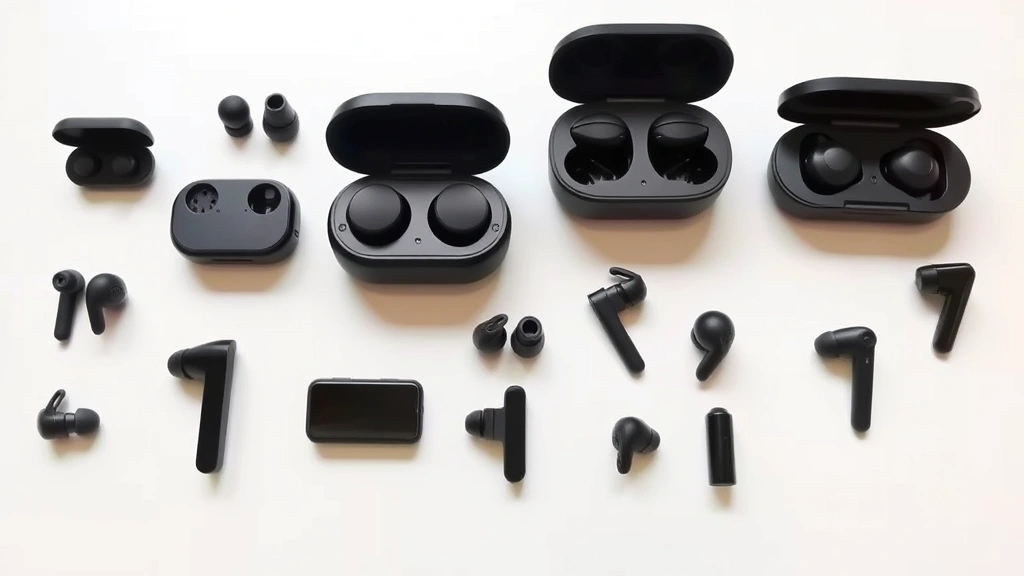
The fit depends on several things: ear canal shape (which varies wildly between people), the earbud design, and the quality of the ear tips. Most earbuds come with multiple ear tip sizes—usually small, medium, and large—and finding the right size is crucial. The tip should seal snugly in your ear canal without feeling like it’s being shoved in with a sledgehammer. If you’re getting ear fatigue after 30 minutes of wear, the fit is probably wrong.
For active lifestyles, you’ll want something with a secure fit. Some earbuds have ear wings or fins that hook over your ear, while others rely purely on the seal of the ear tip. I’ve had great luck with both designs, but the hook-style ones tend to be more reliable if you’re doing intense workouts. If you’re planning to wear these all day at your desk, comfort matters even more—you don’t want pressure points that’ll make your ears ache by 3 PM.
Water resistance is worth considering too. Look for IPX4 rating at minimum if you’re going to wear these during workouts or outside in the rain. IPX5 or higher means they can handle actual water submersion (though I still wouldn’t recommend throwing them in a pool). Check our guide on water-resistant tech gear for more details on what these ratings actually mean in real-world scenarios.
Battery Life and Charging
This is where the specs can get really misleading. When a company claims “12 hours of battery life,” they usually mean with noise cancellation off, at moderate volume, in ideal conditions. In real life, you might get 8-10 hours. Still pretty good, but not quite the marketing promise.
What actually matters is the combination of earbud battery life and charging case capacity. A lot of earbuds offer 6-8 hours on a single charge, with the case providing enough juice for 2-3 additional full charges. That means you’re getting 18-32 hours of total listening time, which is honestly plenty for most people. The real question is: how often are you willing to charge the case?
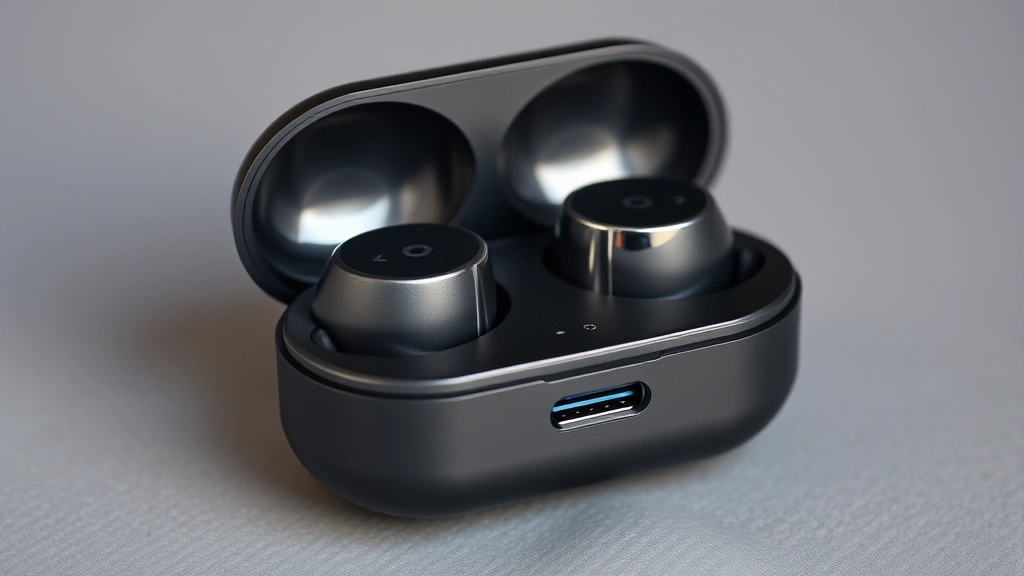
I’m a big fan of earbuds with fast charging features. Some models can give you 2-3 hours of listening time from just 15 minutes of charging. That’s genuinely useful when you’re in a pinch. Wireless charging cases are convenient if you’re near a wireless charging pad, but they’re not essential—USB-C charging is fast enough these days that it’s not a major pain point.
One pro tip: check the actual power consumption specs if you can find them. Some earbuds are just inefficient and drain batteries faster than they should. If you’re planning to use these all day, every day, go for something with proven battery longevity. Reading real user reviews on sites like Rtings can give you honest battery performance data.
” alt=”Wireless earbuds in charging case with USB-C connector, realistic product photography on neutral background” />
Active Noise Cancellation Explained
Active noise cancellation (ANC) is one of those features that sounds amazing in theory and is genuinely useful in practice—but it’s not magic. What it does is use microphones to listen to ambient noise, then emit inverse sound waves to cancel it out. In practice, this works really well for constant, low-frequency noise like airplane engines or traffic rumble. It’s less effective for random, high-frequency noise like someone talking or a dog barking.
If you’re buying earbuds primarily for ANC, you’ll want to spend at least $100-150 to get something that actually works well. The cheap ANC earbuds are often disappointing—they might reduce noise by 30-40%, which sounds better than nothing but won’t give you the peaceful quiet you’re hoping for. The really good ANC earbuds can reduce noise by 70-80%, which is genuinely transformative on flights or crowded commutes.
Here’s what I always tell people: ANC is amazing if you need it, but it’s not essential. If you work in a quiet office and mostly use earbuds for focused listening, you might not notice much difference. But if you’re commuting on public transit or traveling frequently, good ANC is worth the premium.
Most earbuds with ANC also have a “transparency mode” or “ambient mode” that lets you hear the world around you without taking the earbuds out. This is super useful for safety (hearing traffic when you’re walking) and for quick conversations (you don’t have to remove them to talk to someone). Quality varies here too—some transparency modes sound natural, while others sound robotic or overly processed.
Connectivity and Compatibility
Bluetooth 5.0 or 5.2 is pretty much standard now, and honestly, both are solid. The real difference is in the implementation. Some earbuds have rock-solid connections that never drop, while others occasionally disconnect and need to be re-paired. This usually comes down to the quality of the Bluetooth chip and the firmware, not just the version number.
Multi-device pairing is increasingly common and genuinely useful. If you work across a laptop, phone, and tablet, being able to seamlessly switch between them without manual re-pairing is fantastic. Not all earbuds do this smoothly, so it’s worth checking reviews if this is important to you.
If you’re an iPhone user, you’ll want to look at earbuds with good integration with Apple’s ecosystem. The same applies for Android users with Google services. While most Bluetooth earbuds work with any device, some features—like automatic pairing, find-my-device integration, or voice assistant features—work better with the manufacturer’s native ecosystem.
For gaming and video content, low-latency Bluetooth matters if you want the audio to sync properly with what you’re seeing. Some gaming-focused earbuds have latency modes specifically for this. If you’re just listening to music or podcasts, this is irrelevant, but if you’re serious about gaming, it’s worth considering.
Price Tiers and Best Value
Let me break down the wireless earbud market by price range so you can figure out where your money’s best spent:
- $30-60 Range: These are entry-level earbuds that actually sound pretty decent. Don’t expect ANC, but you’ll get decent sound quality, basic features, and reasonable battery life. Perfect if you’re just dipping your toes in the wireless earbud world or need a backup pair.
- $60-120 Range: This is where things get interesting. You’re starting to see good ANC, better sound quality, and more refined designs. A lot of “best value” recommendations live here, and honestly, most people would be totally happy with a solid pair in this range.
- $120-200 Range: Premium features become standard here—excellent ANC, superior sound quality, longer battery life, and better build quality. This is the sweet spot for most people who want a genuinely good listening experience without dropping serious cash.
- $200+ Range: You’re paying for refinement, brand prestige, and marginal improvements in sound quality. Some of these are genuinely incredible, but you’re definitely hitting diminishing returns. These make sense if you’re an audiophile, a professional audio engineer, or just have the budget and want the absolute best.
My honest take? If you have $150 to spend, you’re going to get way more satisfaction than if you spend $50, but the difference between $150 and $300 is much smaller. Check our budget tech gadgets guide for more recommendations on where to find value across different price points.
Don’t get seduced by brand names alone. Some of the best-performing earbuds come from brands you’ve never heard of. The Verge and CNET do solid comparisons across different price ranges that can help you find the real winners.
” alt=”Multiple wireless earbud models arranged side by side on clean white surface, showing size and design variety” />
FAQ
How long do wireless earbuds typically last before they need replacing?
Battery capacity degrades over time, so you’ll probably notice reduced battery life after 2-3 years of regular use. Most quality earbuds hold up fine for 3-4 years before becoming noticeably worse. Durability depends heavily on usage and care—if you’re dropping them or exposing them to extreme temperatures, they won’t last as long.
Can I use wireless earbuds with multiple devices simultaneously?
Most modern earbuds support multi-device pairing, but they can only connect to one device at a time. You’ll need to manually switch the connection if you want to switch devices. Some premium models have seamless switching, but it’s still not true simultaneous connection.
Are wireless earbuds worth the money compared to wired options?
Honestly? Yes, for most people. The convenience of not dealing with cables, the ability to move freely, and the improving sound quality make them worth the investment. You’ll pay a premium, but you get genuine quality-of-life improvements.
What’s the difference between noise cancellation and noise isolation?
Noise isolation is passive—it’s just the physical seal of the ear tips blocking out sound. Noise cancellation is active—it uses microphones and electronics to reduce noise. Good earbuds use both together for maximum noise reduction.
Should I buy the latest model or an older generation?
Latest models usually have better battery efficiency, improved ANC, and refined designs. But older models often drop in price significantly and still perform really well. If the current-generation model is $200 and last year’s is $120, the older one is probably the smarter buy unless you really need the new features.
How do I know if wireless earbuds will fit my ears?
This is tough without trying them. Look for models with multiple ear tip sizes and check reviews mentioning fit. If possible, visit a store and try them on. If you’re ordering online, make sure the return policy is solid so you can send them back if they don’t fit right.
Are expensive wireless earbuds worth it for casual listening?
Not really. If you’re just listening to Spotify playlists and podcasts, a solid $80-120 pair will sound great and you won’t regret it. Spend the extra money on comfort and features you’ll actually use, not on marginal sound quality improvements.
The bottom line? The perfect wireless earbuds for you depend entirely on your priorities, ear shape, and budget. Don’t get caught up in the spec sheet numbers—focus on real-world performance, comfort, and features that matter to your actual lifestyle. And remember, the “best” earbuds are the ones you’ll actually use every day, not the ones that look good on a tech blog.